Retail Cleanup
Retail cleanup
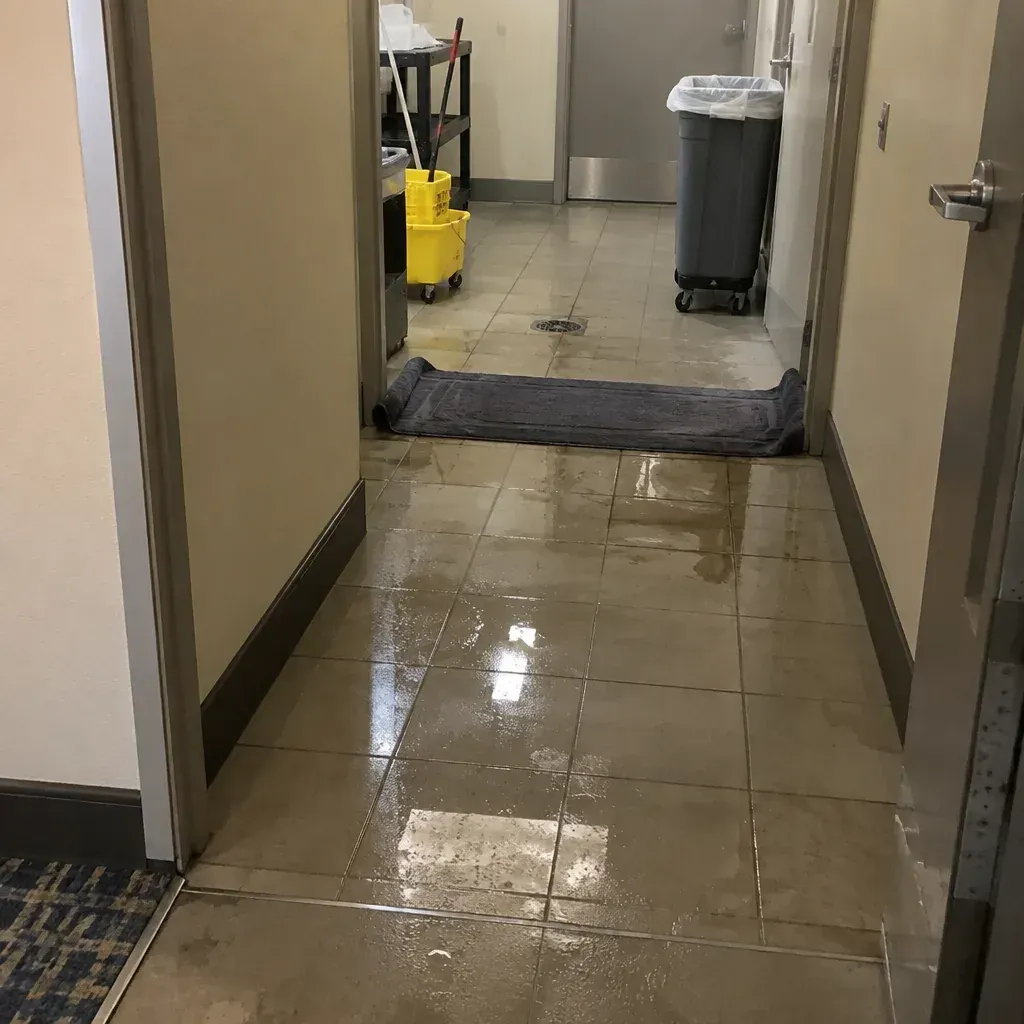
Plan hotel sewage cleanup around affected rooms, shared spaces, operating needs, and the requirements that apply to the property.
Map affected guest rooms and shared spaces, restrict access, and have an independent cleanup professional assess contamination. Agree on phases that fit hotel operations. Share a status update with hotel decision makers after each cleanup phase. Review insurer, lease, and local requirements before reopening areas.
In Maple Grove, hotel sewer backup cleanup must fit both the affected building and its operating plan. Commercial sewage cleanup costs depend partly on how many rooms and shared spaces need separate work periods. A hotel may also need to review lease duties, insurer terms, and applicable local requirements before assigning responsibilities. Those checks shape who can approve access, move contents, or close an area. A phased plan helps management weigh cleanup needs against guest use. The pros we connect you with can discuss a sequence after reviewing the property map.
A guest room backup can affect operations beyond the room itself. Guests may use nearby corridors, elevators, or other shared spaces, so managers need to know which routes remain available. In Maple Grove, mark affected rooms and common areas on the same floor plan. Note entrances staff can use and spaces guests should avoid. This gives the cleanup professional and hotel team a shared picture before work begins. It also helps management consider room moves and service changes without assuming every part of the building is affected.
The first useful record is a location map, not a list of repair guesses. Mark each affected room, adjoining corridor, and shared space, then note what staff observed. In Maple Grove, managers can use the map to compare the affected footprint with the hotel’s lease and insurance records. Keep room numbers consistent across notes and photographs. This makes it easier to discuss which areas need assessment and which operations may continue. The map can also guide a phased schedule without deciding coverage or responsibility in advance.
Front desk and housekeeping teams need a simple status for each affected room. Mark rooms as unavailable while the assessment is pending, then update staff when access changes. At a Maple Grove hotel, a designated manager can relay the approved work window and guest routing to each shift. That limits conflicting instructions when teams change over. Keep guest details out of shared work notes. A room status board can track operational availability, while claim materials stay with the people responsible for insurance communication.
Shared spaces can require a different schedule from individual rooms. A corridor, lobby, or service area may connect unaffected operations with the work zone. In Maple Grove, hotel management can discuss temporary routes and work periods with the cleanup professional before setting guest services. Containment can separate affected areas from spaces still in use. The licensed pros we connect you with can advise on protective gear for anyone who must enter. This boundary gives employees a clear instruction while cleanup addresses the contaminated space.
| Area | Access plan | Records |
|---|---|---|
| Guest rooms | Mark impacted rooms out of service | Check materials and cleanup status |
| Guest corridors | Separate the route from clean areas | Review nearby surfaces for contamination |
| Room isolation | Redirect guest traffic around work | Confirm affected surfaces were addressed |
| Shared area controls | Coordinate access if the route is affected | Check floors and adjacent spaces |
| Dining areas | Adjust service around contained work | Review applicable property requirements |
| Staff areas | Keep staff clear of affected spaces | Confirm cleaning and drying are complete |
| Guest belongings | Record items affected by sewage | Check policy and lease responsibilities |
| Shared facilities | Plan alternate access during cleanup | Review local and insurer requirements |
Before contents are moved, confirm who has authority to make that decision. A guest’s belongings, hotel furnishings, and leased equipment may have different owners or handling rules. In Maple Grove, record the item and its room location, then check lease terms and internal approval steps. Sewage exposure can make some absorbent contents unsuitable to keep. The assessment helps identify which materials need removal, cleaning, or drying. Clear ownership decisions reduce disputes over replacement and help the hotel keep affected items out of active guest areas.
Lease terms can affect who arranges access, approves removal, or contacts an insurer. Managers in Maple Grove should review the property agreement before promising payment or assigning responsibility. The agreement may distinguish tenant contents from building materials, but its wording controls. Share relevant clauses with the parties handling the claim and cleanup plan. Keep the discussion tied to the affected rooms and shared areas. That gives each party a concrete scope to review and avoids treating the hotel’s whole building as one claim.
Insurance terms need their own review because sewer backup coverage varies. Minnesota Commerce guidance says coverage may require separate coverage or an endorsement, and terms differ by policy. A Maple Grove hotel manager can check the actual policy before assuming the loss is included. Photos and notes about affected materials can help support a claim. Record the room or shared area, visible damage, and contents involved. The insurer decides coverage under the policy; a cleanup plan does not settle that question.
Contaminated splash can reach surfaces above the visible waterline, so inspection should include nearby walls. In Maple Grove, map each guest room backup and shared area before setting work zones or planning hotel operations. Review the lease, insurer requirements, and applicable local rules with the responsible parties. Keep guests and staff clear while the pros we connect you with contain, extract, clean, disinfect, treat odors, and dry affected areas. Ask for a phased plan and conditions to review before reopening. Maple Grove Hospital, Weaver Lake Park, and Elm Creek Park Reserve are local reference points.
Cleanup proceeds by controlling the work area, extracting sewage, and assessing affected building materials. Porous materials exposed to sewage may need removal because cleaning may not reach contamination inside them. Remaining affected surfaces are cleaned and disinfected, then the structure is dried. In Maple Grove, the cleanup professional can explain which rooms or shared areas need each step. Tools used in contaminated areas should be cleaned before they are brought into other parts of the hotel. The hotel can use that sequence to plan room availability with operations staff.
A room should not return to guest use simply because visible water is gone. The hotel needs to review whether affected surfaces were cleaned and disinfected, and whether building materials still need drying. In Maple Grove, managers can discuss those conditions with the cleanup professional before changing room status. Odor treatment may follow sewage and contaminated material removal. Staff should also consider whether the adjacent corridor or shared space remains part of the affected area. Reopening decisions should account for the assessment and applicable property requirements.
A property map can help identify which operations might continue during phased work. For example, managers can distinguish affected spaces from areas reached through a separate route. In Maple Grove, local reference points such as State Highway 7 and Weaver Lake Park can help orient teams discussing the property’s location, but they do not determine cleanup requirements. Inside the hotel, floor plans and room identifiers are more useful for daily coordination. Keep each phase tied to its specific work area and operational impact.
The cleanup discussion should connect building conditions with the hotel’s obligations. Ask the independent professional to walk through the proposed phases, access needs, and spaces that may remain unavailable. In Maple Grove, management can compare that outline with lease language, insurance terms, and any local guidance already obtained. This keeps operational decisions grounded in the actual property. State Highway 169 is another local reference point for orienting a discussion, but no road location establishes which authority or policy applies.
A practical next step is to map affected guest rooms and shared areas, then request a phased assessment and cleanup plan. Bring the property agreement, applicable insurance terms, and questions about local requirements to that discussion. In Maple Grove, hotel teams can use Central Park as a familiar local reference when identifying the area, while the building map guides the work itself. Ask which areas need restricted access, what operations can continue, and what conditions management should review before reopening. The plan should fit the property’s evidence and obligations.
Commercial sewage cleanup costs reflect the materials and work the assessment finds. Saturated carpet backing may need removal, while a hard floor may be cleaned and disinfected. In Maple Grove, hotel management can start by marking affected guest rooms, corridors, and shared spaces on a floor plan. That map helps operations staff set access limits and gives the cleanup professional a clear sequence. Before work begins, review lease duties, insurer instructions, and applicable local requirements. The sections below explain how to coordinate that review with room isolation, cleanup phases, and reopening decisions.
A backup can leave sewage and damaged materials indoors; review the linked communities to see where cleanup may be available for homes and small commercial properties, includingOsseo, Champlin and Dayton. Before scheduling, confirm which cleanup steps are included, whether a site visit carries a charge, and whether the property is within the service area.
Commercial cleanup estimates commonly use a per-visit basis, adjusted for affected square footage and repeat visits. A restaurant back room with sewage on absorbent flooring can require more work than a contained office restroom. The amount extracted, material removal, disinfection, odor treatment, and drying guide cost: $7,000–$14,000. Plumbing repairs are separate.In Maple Grove, affected rooms and materials shape a commercial cleanup’s work list and price. For a site near Crow River or in Hamel, describe where sewage reached. Name affected surfaces and areas that may need drying. Ask the pros we connect you with to confirm visit charges and a written scope directly.Contamination and drying needs shape cleanup costs; pricing guide explains assessment, while commercial overview outlines commercial sewer backup cleanup coordination.
Retail cleanup
Restaurant Cleanup
Office Cleanup
Start by marking affected guest rooms and shared areas on a floor plan. Keep guests and staff out of contaminated spaces, then ask an independent cleanup professional to assess the spread and propose phases. Containment can separate work areas from operating spaces. The plan should account for access, affected materials, cleaning, disinfection, and drying. Management can coordinate room status and shared-space access with hotel operations as each area is assessed.
Record which rooms and shared spaces were affected, the visible damage, and contents that may need attention. Photos and dated notes can support an insurance claim. Keep these records tied to the floor plan so management can distinguish guest rooms, corridors, and common areas. Review the policy and any insurer instructions for required claim materials. Coverage terms vary, so the hotel should confirm its own requirements directly.
Reopening should follow an assessment of the affected space and its materials. Sewage must be removed; affected surfaces need cleaning and disinfection, and damp building materials need drying. Porous items that cannot be adequately cleaned may require removal. A Maple Grove hotel can use the cleanup professional’s assessment to decide whether a room or shared area is ready for normal access. Keep a written record of the materials assessed and the decisions made for each.
Check the hotel’s lease, insurance policy, and applicable local requirements before setting a response plan. These documents may assign notice, access, or repair duties, but requirements vary by agreement and situation. Ask the insurer what it needs for a claim, and confirm local questions with the relevant authority. Do not assume one rule applies to every guest room or shared space.
Map affected rooms and shared spaces, then discuss phased assessment, documentation needs, and operating constraints with an independent cleanup professional.
Call (763) 298-9074