Office Building Cleanup
Office Cleanup
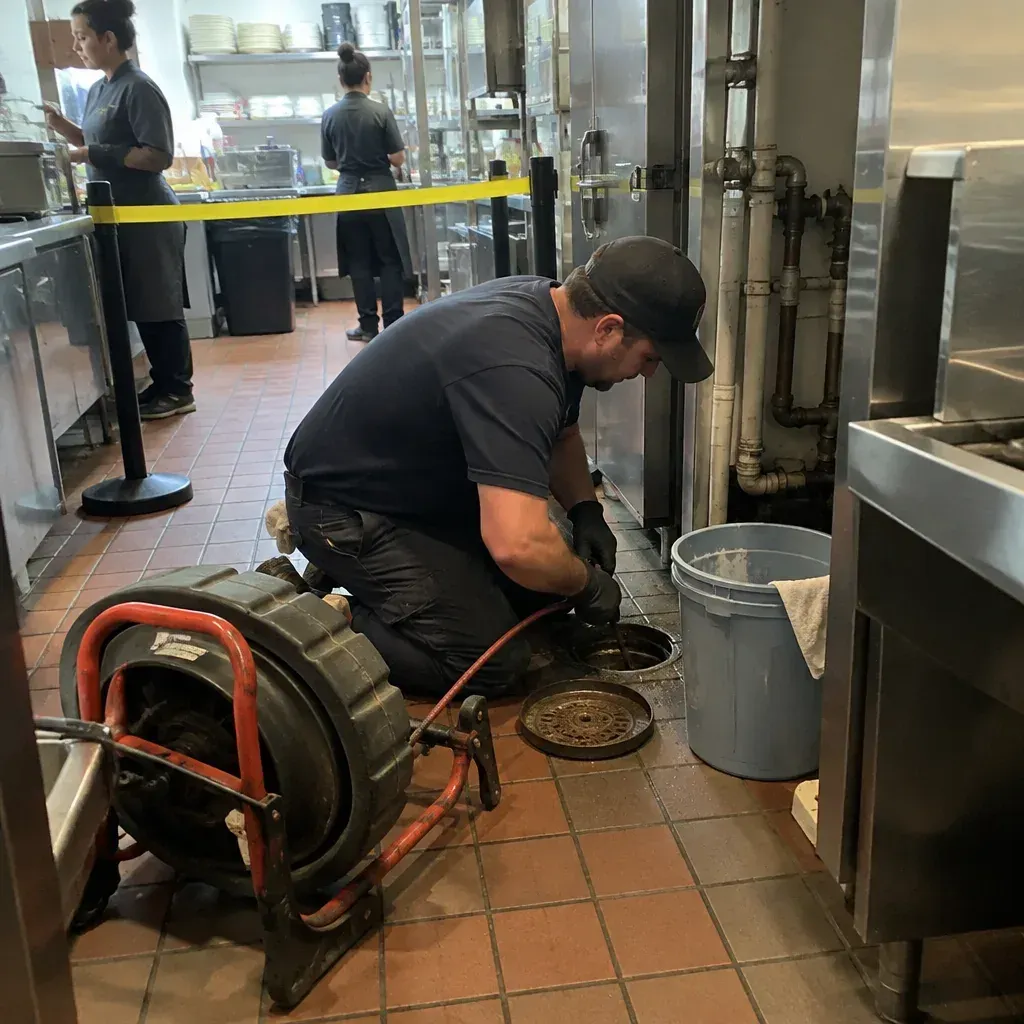
See how kitchen separation, material assessment, and clear records support restaurant cleanup in Maple Grove.
Restaurant sewage cleanup separates affected kitchen areas from food operations, assesses food, equipment, and supplies, then extracts sewage and removes contaminated materials. Pros clean and disinfect affected surfaces and dry building materials. Keep staff clear while the site is assessed.
The first visible backup may help distinguish a plumbing issue from contamination that spread into nearby restaurant areas. In Maple Grove, a restaurant record should begin with what staff saw, where it appeared, and when operations changed. That opening account helps explain the scope behind later decisions. Restaurant sewage cleanup may involve separating affected areas from food operations and assessing equipment, supplies, and surfaces. The work plan depends on those findings. Clear notes also give an owner a useful starting point when discussing claim review and future operating plans.
A floor drain that backs up can leave water in a prep area, storage space, or dishwashing zone. The visible boundary may not show how far contamination reached. Record each affected room and the condition observed before work begins. For a Maple Grove restaurant, a simple floor plan marked with affected areas can help managers, cleanup professionals, and claim reviewers refer to the same locations. Keep people away from those areas while they are assessed. Do not handle contaminated materials to document them.
Food, packaging, utensils, and stored supplies may sit near the affected area. Their condition and location matter when the owner decides what needs review. Make an itemized record, noting what was exposed or moved, and leave safety decisions to the relevant food safety authority. A Maple Grove operator can then connect those records to the affected room and the interruption to food service. This keeps the file focused on the restaurant's actual conditions instead of assumptions about what can return to use.
A commercial kitchen backup can interrupt prep, dishwashing, storage, or customer service in different ways. Record which operations stopped and which areas remain outside the affected zone. This gives the owner a clear basis for coordinating access with the pros we connect you with. A Maple Grove location may have a different layout and operating plan than another site in Rogers or Champlin. Separate records by address and area so one location's damage does not blur another's decisions.
A refrigerator, worktable, or other piece of equipment may be close to the affected area. Record its location and visible condition before it is moved or assessed. The notes should distinguish equipment from the building surfaces around it. That distinction helps the owner track which items need separate evaluation and which parts of the structure need attention. In Maple Grove, an organized inventory can also help managers explain why a kitchen area remains unavailable during review, without treating every nearby item as having the same condition.
| Record Item | What It Shows | Why It Helps |
|---|---|---|
| Site scope | Maple Grove, Hamel, and Rogers site records | Track work across locations |
| Area boundaries | Barriers, access points, affected zones | Show separation from food operations |
| Food inventory | Affected stock and handling decisions | Support food safety review |
| Kitchen equipment | Item, location, and condition | Guide cleaning or replacement planning |
| Removed materials | Material type and affected location | Connect photos with claim review |
| Cleaning log | Surfaces, products, and label directions | Record disinfection steps |
| Drying record | Moisture readings and locations | Track remaining damp areas |
| Operations log | Restricted zones and service impacts | Inform future response planning |
The cleanup assessment should identify the affected materials and surfaces, then record the reason for each proposed action. Porous items exposed to sewage may need removal when contamination reaches absorbent parts. Other affected surfaces may be candidates for cleaning and disinfection. A Maple Grove restaurant file can connect each decision to a room, material, and observed condition. That detail helps the owner understand what drives the scope and cost of commercial sewage cleanup, while giving a reviewer a traceable account.
Separate affected work areas from spaces that remain in use, and note how the boundary is maintained. Containment helps limit the spread of contaminated water and debris into clean areas. A written area map can show staff where access is restricted and help the owner coordinate any changes to the boundary. For a Maple Grove food service operation, the record should identify who was informed and when. Keep the notes factual; do not describe an area as ready for use before it has been assessed.
Decisions made during a disruption can be hard to recall later. Keep a dated sequence of observations, calls, access changes, and approvals, with the responsible role recorded where known. This timeline helps explain how restaurant operations were coordinated around the affected area. For a Maple Grove business with locations near Dayton or Rogers, separate timelines prevent one site's events from being assigned to another. The record also gives future managers a clearer reference when they review how an earlier interruption was handled.
Food safety questions can affect what happens to food, equipment, and supplies near sewage. The owner should consult the relevant food safety authority about applicable requirements and record the guidance received. Keep that record distinct from the cleanup professional's assessment of affected building materials. In Maple Grove, this distinction helps managers track which decisions concern food service and which concern the structure. Requirements may depend on the circumstances, so the file should capture the authority's direction rather than rely on a general assumption.
A restaurant may need to adjust work while an affected area is assessed and cleaned. Record which functions changed, who coordinated them, and what information staff received. This creates a practical handoff between management and the people handling the affected space. A Maple Grove operator can use the notes to explain the effect on service without claiming that unaffected areas are cleared. Keep updates tied to the actual site conditions, since operating decisions may change as the assessment develops.
Photos and notes can support an insurance claim review when they show damaged materials and cleanup actions. Add an itemized list of affected items and retain the records made during the work. Label images by room and date so they can be matched to the written account. For a Maple Grove restaurant, this evidence can clarify how the damage was assessed. Coverage depends on the policy, so documentation supports review but does not establish what an insurer will pay.
Future planning benefits from a record that explains what happened and how decisions were made. Note which food service areas were affected, what coordination proved necessary, and what follow-up remains for the owner. Keep the summary specific to the location. A group operating in Maple Grove and Champlin can compare separate site records later without assuming that layouts or impacts were alike. These notes may help managers prepare response contacts and documentation practices for a future disruption.
Commercial sewage cleanup costs depend on the area affected and the materials requiring work. For a Maple Grove restaurant, keep the record centered on what food, equipment, and supplies were exposed, with each item tied to its kitchen or service area. Photos and notes can show what was present before cleanup and what the cleanup addressed, helping claim review and later planning. For a location near Central Avenue or serving Osseo, keep people out of affected spaces and consult the relevant food safety authority and cleanup professional about next steps.
Drying records help show which affected parts of the structure were monitored after extraction and cleaning. Note the areas assessed and any follow-up identified by the cleanup professional. Food handling practices may also need review before the restaurant returns to normal operations. For a Maple Grove owner, keeping those scopes distinct supports claim review and makes future planning easier. What records will the food safety authority want, and which operating changes should carry forward?
Records can show how a Maple Grove restaurant separated cleanup from food service. A floor sketch can mark affected kitchen, storage, and dining zones; photos can capture conditions before materials move. List food, equipment, and supplies by area, then note what was assessed, cleaned, or removed. Add a street address and a landmark reference, such as Weaver Lake Park, State Highway 7, or Eagle Lake, to distinguish locations in internal files. Keep these notes with the cleanup record. Across locations, they can help managers compare affected areas and plan how to isolate operations if another backup interrupts service.
Sewage extraction, contaminated material removal, disinfection, and structural drying shape the work; use the linked communities to check local availability for homes and small businesses, includingChamplin, Dayton and Maple Grove. Before arranging cleanup, ask whether disinfection and drying are included, whether an assessment visit costs extra, and if the address is served.
Commercial sites are often quoted per visit, based on affected area and visit frequency. A restroom backup in a small office may involve less cleanup than sewage across a shop floor. Contaminated materials, extraction, disinfection, odor treatment, and drying shape the estimate: $7,000–$14,000. Sewer-line diagnosis or repair is plumbing work.In Maple Grove, affected rooms and materials shape a commercial cleanup’s work list and price. For a site near Crow River or in Hamel, describe where sewage reached. Name affected surfaces and areas that may need drying. Ask the pros we connect you with to confirm visit charges and a written scope directly.Contamination and drying needs shape cleanup costs; pricing guide explains assessment, while commercial overview outlines commercial sewer backup cleanup coordination.
Restaurant sewage cleanup begins with separating the affected kitchen or service area from clean food operations. Sewage can move through floor openings and affect nearby spaces beyond the visible spill. Food, equipment, and supplies need assessment by area. In Maple Grove, staff should stay out of affected spaces while the site is assessed and cleaned.
Food, equipment, and supplies are reviewed according to where sewage reached and what each item is made of. The assessment records affected locations and identifies what can be cleaned or needs removal. Absorbent items may retain contamination even after visible sewage is removed. Record the decisions by area so managers can coordinate kitchen access and operations.
Restaurant sewage cleanup in Maple Grove starts by separating contaminated kitchen or service areas from food operations. A cleanup professional assesses food, equipment, supplies, and affected building materials. Keep people clear, and consult the relevant food safety authority before deciding what can return to use. Records can track the order of isolation, assessment, cleaning, disinfection, and drying, along with operational decisions during recovery. That timeline supports claim review and helps managers plan procedures across locations.
Coordinate the work around which areas are affected and which operations can remain separate. Managers can identify a clean route for staff, mark rooms that need restricted access, and keep cleanup activity away from food handling. Record any operational changes and the areas involved. Keep cleanup waste contained as it is moved through the building.
Keep staff clear of affected areas, preserve site records, and coordinate kitchen access before Maple Grove food operations resume.
Call (763) 298-9074