Hotel Cleanup
Hotel Sewage Cleanup
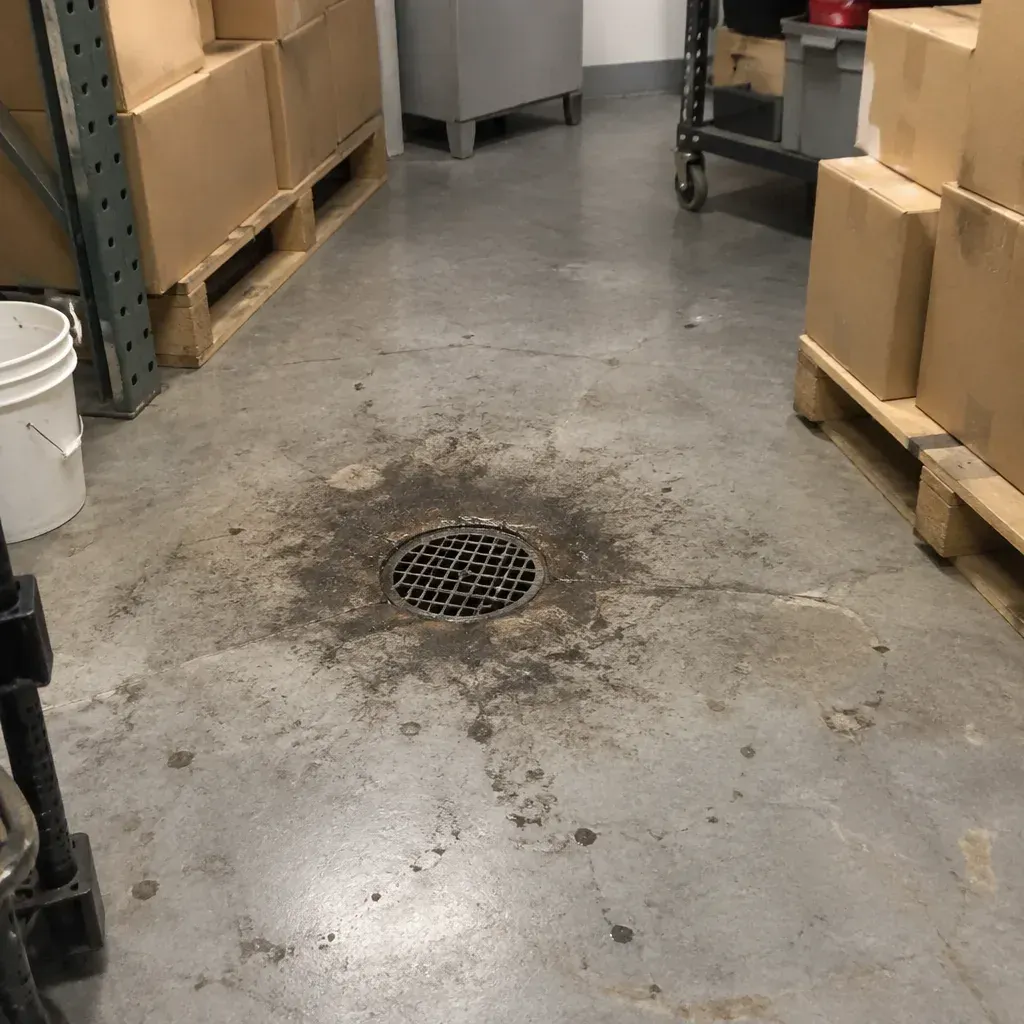
Plan retail sewage cleanup around affected stock, public access, and the store’s workable hours in Maple Grove.
Cleanup separates affected store areas, removes sewage and contaminated materials, then cleans, disinfects, and dries affected surfaces and building materials. The assessment considers merchandise exposure, public access, and work windows. Photos and notes can record affected locations and cleanup decisions.
Commercial sewage cleanup costs depend on how far sewage spread, which materials absorbed it, and when the store can close affected areas. In Maple Grove, a store sewer backup can touch sales floors, stockrooms, or merchandise, each requiring separate assessment. The work plan sets out what needs removal, cleaning, disinfection, or drying. Access hours and occupancy also shape the schedule. A store near Central Park may need different work windows than one with flexible access. Early area mapping helps the owner discuss scope and records with the pros we connect you with.
A foul odor, visible water, or a damp floor can signal contamination beyond the first visible spot. In Maple Grove, the owner should mark affected sales and storage areas without entering or handling contaminated materials. Sewage can carry harmful germs, so staff and customers should stay clear while the area is assessed. A cleanup professional can determine where containment belongs and how to keep public paths separate. That boundary helps limit movement of contaminated water and debris while the store considers access and occupancy.
A store sewer backup can leave merchandise beside contaminated flooring or shelving. In Maple Grove, the owner can identify affected stock by aisle, display, or stockroom zone for assessment. Whether an item can be cleaned depends on its material and the extent of contact. Absorbent goods may not be salvageable through surface cleaning alone. Keep notes on decisions about affected merchandise, but avoid moving contaminated items before the cleanup plan addresses them. This record can clarify which areas need access first and which can remain available.
The work window starts with access: which doors, corridors, and service areas can professionals use? In Maple Grove, a store near Weaver Lake can note entry limits, alarm procedures, and times when staff are absent. Share these details before scheduling. Sewage extraction and material removal need a contained route, while customers and employees must remain outside affected areas. A clear access plan helps avoid crossing clean spaces with contaminated debris. It also gives the owner a practical basis for coordinating opening hours and temporary closures.
A store may have busy periods when aisles must remain open and quieter windows when sections can close. In Maple Grove, managers can identify those periods and tell the cleanup professional which sales areas cannot operate during work. The schedule should account for containment, extraction, cleaning, disinfection, and drying. These steps depend on the assessed contamination, so a reopening time should not be guessed in advance. The owner can ask which areas must stay closed and what conditions signal that work there is complete.
| Cost factor | Store impact | Work plan |
|---|---|---|
| Sales floor | Close affected aisles to shoppers | Schedule work outside busy trading hours |
| Checkout area | Keep routes clear of the work zone | Shift checkout before nearby work begins |
| Cleanup work window | Restrict staff entry during assessment | Set access with the operations lead |
| Affected merchandise | Mark impacted shelves for review | Hold decisions until items are assessed |
| Receiving access | Keep deliveries clear of contained areas | Reroute arrivals during extraction and removal |
| Shared pathways | Separate public and cleanup traffic | Coordinate alternate routes with store staff |
| Drying area | Limit entry while equipment is operating | Plan access checks around drying needs |
| Multiple locations | Track Maple Grove, Osseo, and Hamel sites | Set separate windows for each location |
Stockroom cleanup needs its own access plan because deliveries, inventory checks, and staff routes may pass through storage. In Maple Grove, the owner can mark receiving doors, shared corridors, and racks near affected flooring. Containment should separate the work area from clean stock and public spaces. Porous materials that contacted sewage may need removal; remaining surfaces require cleaning and disinfection. Listing access constraints helps the pros we connect you with plan the work without routing contaminated materials through unaffected storage.
Cost for commercial sewage cleanup depends on the affected footprint, access, and available work windows. A store sewer backup can interrupt sales while stockroom cleanup requires controlled access around stored goods. In Maple Grove, managers can mark public entrances, receiving paths, and areas that must remain open before coordinating timing with the pros we connect you with. Agreeing how affected and public areas will be separated helps staff plan around the work. Notes and photos can track affected zones, merchandise decisions, and schedule changes. The same planning applies to stores in Osseo and Hamel.
Public access changes the cleanup sequence when a sales floor shares space with the affected area. In Maple Grove, barriers and clear closure signs can direct customers away while professionals contain and extract sewage. The owner should identify nearby entrances, accessible routes, and any shared path through the work zone. If separation cannot be maintained, affected sales space may need to remain closed during cleanup. This decision depends on the layout and assessment, not simply on whether visible water has been removed.
Central Avenue and Osseo help place this Maple Grove service area on a local map, while each store’s access needs remain specific. Before work begins, the owner can identify who approves closures, who opens restricted doors, and who receives progress updates. Naming one store contact reduces confusion when access times change. The contact can also relay decisions about affected areas to staff at the location. This coordination supports scheduling without asking employees to enter contaminated spaces or supervise cleanup.
If several departments share a sales floor, closure decisions should follow the affected boundary. In Maple Grove, the owner can tell staff which entrances and sections are unavailable and where clean operations may continue. The cleanup professional can explain how containment separates affected areas from clean spaces. Revisions may be needed if assessment finds contamination beyond the original boundary. Clear updates help staff avoid restricted routes and keep customer traffic away while the work window remains active.
A written area record helps the owner track why a section closed and when its status changed. In Maple Grove, simple notes can identify the affected aisle, stockroom zone, access route, and cleanup decision. A visible barrier can help keep customers away from the affected section while cleanup is underway. Coverage depends on the policy. Keep these records with cleanup updates so later reviewers can follow what was assessed, removed, cleaned, or dried, without relying on memory after store operations resume.
A delay can follow when the work area lacks access, approval, or a clear contact. In Maple Grove, the owner can prepare keys, entry instructions, and an authorized decision maker before the scheduled window. Ask how schedule changes will be shared if hidden contamination alters the scope. Keep affected areas closed until they have been cleaned and assessed. This preparation does not set a reopening time; it gives the cleanup professional the information needed to plan the next work period responsibly.
After sewage and contaminated materials are removed, affected surfaces are cleaned and disinfected. Disinfectants must follow their product labels, including contact times and safety directions. In Maple Grove, drying follows extraction and cleaning, since damp building materials can remain after visible water is gone. The owner can ask which areas need drying and how progress will be reported. Odor treatment may also be part of cleanup once sewage and affected materials are addressed. These steps inform the store’s decisions about access and reopening.
Cleanup handles contamination and damage inside the store; a plumber diagnoses or repairs the sewer line or other backup source. In Maple Grove, the owner can coordinate both schedules and confirm which work area each professional needs to reach. Ask the cleanup professional what must be completed before staff can access affected sections again. Then identify the sales, storage, and merchandise areas involved, and request a plan for containment and documentation. That gives the store a practical starting point for coordinating its work window.
Commercial sewage cleanup cost depends on the affected floor area, stock exposure, access, and workable hours. A wet sales aisle may need a different schedule than a closed stockroom. Keeping unaffected sections open can shape how the cleanup is staged. The cleanup professional assesses where sewage reached, separates affected space, and records decisions about merchandise and building materials. The owner can share opening hours and restricted work windows. That helps the pros we connect you with plan containment and cleanup around store operations.
A sewer backup can leave contaminated water and residue on floors and other surfaces inside a building.Dayton, Maple Grove and Osseo. Ask what sewage removal, material removal, and drying include; then check for visit fees and confirm the address is within the service area.
Commercial sites are often quoted per visit, based on affected area and visit frequency. A restroom backup in a small office may involve less cleanup than sewage across a shop floor. Contaminated materials, extraction, disinfection, odor treatment, and drying shape the estimate: $7,000–$14,000. Sewer-line diagnosis or repair is plumbing work.In Maple Grove, affected rooms and materials shape a commercial cleanup’s work list and price. For a site near Crow River or in Hamel, describe where sewage reached. Name affected surfaces and areas that may need drying. Ask the pros we connect you with to confirm visit charges and a written scope directly.Contamination and drying needs shape cleanup costs; pricing guide explains assessment, while commercial overview outlines commercial sewer backup cleanup coordination.
Hotel Sewage Cleanup
Office Cleanup
Restaurant Cleanup
Keep customers and staff out of the sewage affected space while it is assessed and cleaned. A cleanup professional can set a boundary between affected rooms and areas that remain in use. If the store cannot keep people apart from the work zone, close the affected route or section. In Maple Grove, the owner can discuss entry points and operating hours before setting a work window. Sewage can carry harmful germs, so staff should not enter to retrieve items or clean the area.
The assessment follows where sewage reached, including shelves, cartons, display materials, and stockroom flooring. Sealed, hard surfaced goods may differ from absorbent packaging or merchandise that sewage touched. Affected porous items may need removal when they cannot be adequately cleaned. The owner can identify product categories and storage locations without handling contaminated goods. Near State Highway 7, a store can also explain which receiving doors or aisles need to stay clear during the assessment and cleanup.
Before work begins, staff should keep away from the affected area and avoid moving stock through it. Tell the cleanup professional which rooms, aisles, and receiving doors may have been exposed. Do not touch wet merchandise or try to wipe contaminated surfaces. At a Maple Grove store near US Highway 169, the manager can point out access restrictions and public routes from a safe location. That information helps establish boundaries and a workable schedule without spreading contamination.
A lingering sewage smell can remain where contaminated material or residue is still present. Odor treatment may follow removal of affected materials and cleaning of surfaces. It does not replace those steps. The cleanup professional can explain which areas still need attention and when drying is underway. For a Maple Grove retailer near Maple Grove Hospital, record the odor location and whether it changes during the work. That observation helps focus the assessment on the affected space.
Mark affected sales and storage areas, note store access windows, and ask a cleanup professional how containment and work records will be handled.
Call (763) 298-9074