Cleanup availability and timing vary — call to confirm. · (763) 298-9074
Sewage-Contaminated HVAC Cleanup in Maple Grove, MN
HVAC Sewage Cleanup

Sewer Backup Cleanup for HVAC Contamination in Maple Grove

During Maple Grove’s heating season, a running system may move air through affected components; in warmer weather, equipment may sit idle. Season does not show how far sewage traveled. The assessment must follow actual contact with the air handler and ducts.

PLUMBER COORDINATION

Keep suspect HVAC equipment off. Have cleanup and HVAC professionals assess the air handler, filters, and duct materials. They can identify what needs removal, cleaning, disinfection, or drying, then coordinate equipment review before operation resumes.

Backup Exposure

Discolored Water Near Drain Openings

Stains, lingering odors, or damp materials can point to sewage inside and the need for cleanup.

Near Weaver Lake Park, a homeowner may smell sewage at supply vents.

Brown or gray residue on a return grille can mean air from a contaminated area reached that opening. Do not wipe it and restart the system. Leave the equipment off and include that grille and its connected return path in the assessment. The finding helps define which nearby surfaces need cleaning and disinfection.

Along Central Avenue, a damp filter may show brown residue.

A filter that is wet, stained, or unusually heavy may have contacted contaminated water or debris. Keep the HVAC system off and avoid shaking or handling the filter. The assessment should include its slot and the air handler surfaces beside it. Filter condition helps show whether contamination reached the equipment, but does not establish how far it spread.

By Central Park, a homeowner may see droplets near a return grille.

Visible dampness inside an accessible return opening may point to water reaching duct material. Do not reach into the duct or try to dry it with the system. Tell the cleanup professional where the moisture appeared. The material and extent of contact determine whether cleaning is suitable or removal may be needed.

Near US Highway 169, duct seams may show damp staining.

Dark specks or sticky film around supply registers after a backup can indicate residue carried through the air path. Avoid brushing it into the room. Note which registers show deposits and keep the system off. That pattern gives the assessment a starting point for checking connected duct sections and nearby surfaces.

At Eagle Lake, vent airflow may carry a heavy sewage odor.

A new rattling sound from the air handler after flooding may reflect debris or water around the unit, though sound alone cannot identify contamination. Switch the system off if that can be done safely. Report when the noise began and where it comes from; an HVAC professional can inspect the equipment before it runs again.

Where Hidden Moisture Can Remain

Maple Grove properties connected to sewers can face a backup when water overwhelms the system; higher-than-normal rainfall is one possible trigger. Rain alone does not identify the source at a specific home. Near Weaver Lake Park, the cleanup question remains whether sewage reached HVAC returns or equipment.

Maple Grove includes homes and small commercial properties, with different HVAC layouts to assess after a backup. A property near Champlin may have equipment or duct runs arranged differently from a house. The assessment follows actual sewage contact; location alone does not show which components need work.

Calls may come from homes and small commercial properties in Maple Grove and Hennepin. The pros we connect you with can check the exact address and whether the incident calls for sewer backup cleanup inside the property.

Odor Treatment After Removal

SOURCE
Assessment follows sewage contact from the affected room to the air handler, filter area, and connected duct materials.
FILTERS
Keep suspect equipment off until cleanup and HVAC professionals assess the affected components.
DUCTS
A sewage-exposed filter or porous duct material may need removal if cleaning cannot address the contamination.
DRYING
Cost moves with the number and type of affected HVAC components, access, and materials needing removal or cleaning.
COST
Contamination can remain on materials hidden behind cabinets or wall finishes.
PLUMBING ROLE
During Maple Grove’s heating season, a running system may move air through affected components; in warmer weather, equipment may sit idle. Season does not show how far sewage traveled. The assessment must follow actual contact with the air handler and ducts.
Material Removal
an estimated $3,500–$6,500

When Water Has Another Cause

Routine duct cleaning is often confused with sewage-contaminated HVAC cleanup because both involve air handler and duct surfaces. Sewage cleanup must address contaminated materials and disinfection, with removal where cleaning is not enough. Compare the written scope. Sewage-related HVAC cleanup should identify the air handler, filter area, and affected duct materials, then describe residue removal, surface disinfection, and drying. A routine dust cleaning scope may not address sewage contamination or materials that need removal.

From Sewage Removal Through Drying

The assessment traces the sewage contact from the affected room to nearby returns, the air handler, filter area, and duct openings. The professional records visible residue and moisture, then identifies surfaces for cleaning, materials for possible removal, and areas needing drying. This scope guides coordination with an HVAC specialist.

After the affected scope is agreed, professionals remove materials that cannot be adequately cleaned, then clean and disinfect suitable surfaces according to product directions. The system stays off during this work. HVAC specialists assess equipment and duct components; affected building materials are dried. A plumber handles the backup source separately.

Scope drives cost: sewage removal, damaged materials, and drying needs. A small affected space may be completed in one visit after cleaning and disinfection. More widespread contamination can require material removal and later drying checks. Cleanup restores affected interior areas; a plumber investigates or repairs sewer lines.

IMMEDIATE CONTAMINATION REMOVAL VERSUS LATER RESTORATION NEEDS
Cleanup Work Damage Assessment
Small backup, damage caught earlyAffected-material assessment
Wastewater residue recurring in a cleaned areaSewage extraction
Contamination extends beyond one isolated surfaceRemoval, disinfection, drying

Tasks an Owner Can Manage

Keep people and pets away from affected rooms, and leave suspect HVAC equipment off. From a dry, safe location, note which grilles, filters, or equipment areas look wet or stained. Do not remove panels, handle contaminated filters, enter ducts, or restart the system to test it. Arrange an assessment by cleanup and HVAC professionals.

Keeping People Away From Contamination

Sewage-contaminated HVAC equipment is a hazard, not just an odor nuisance. Keep the system off and people away from affected equipment. Do not open powered panels or inspect duct interiors yourself. An HVAC professional can assess whether controls or components were affected and whether the system can operate after cleanup. Leave it off if controls are wet or operation seems abnormal.

How Can Removal Needs Affect Cleanup Cost?

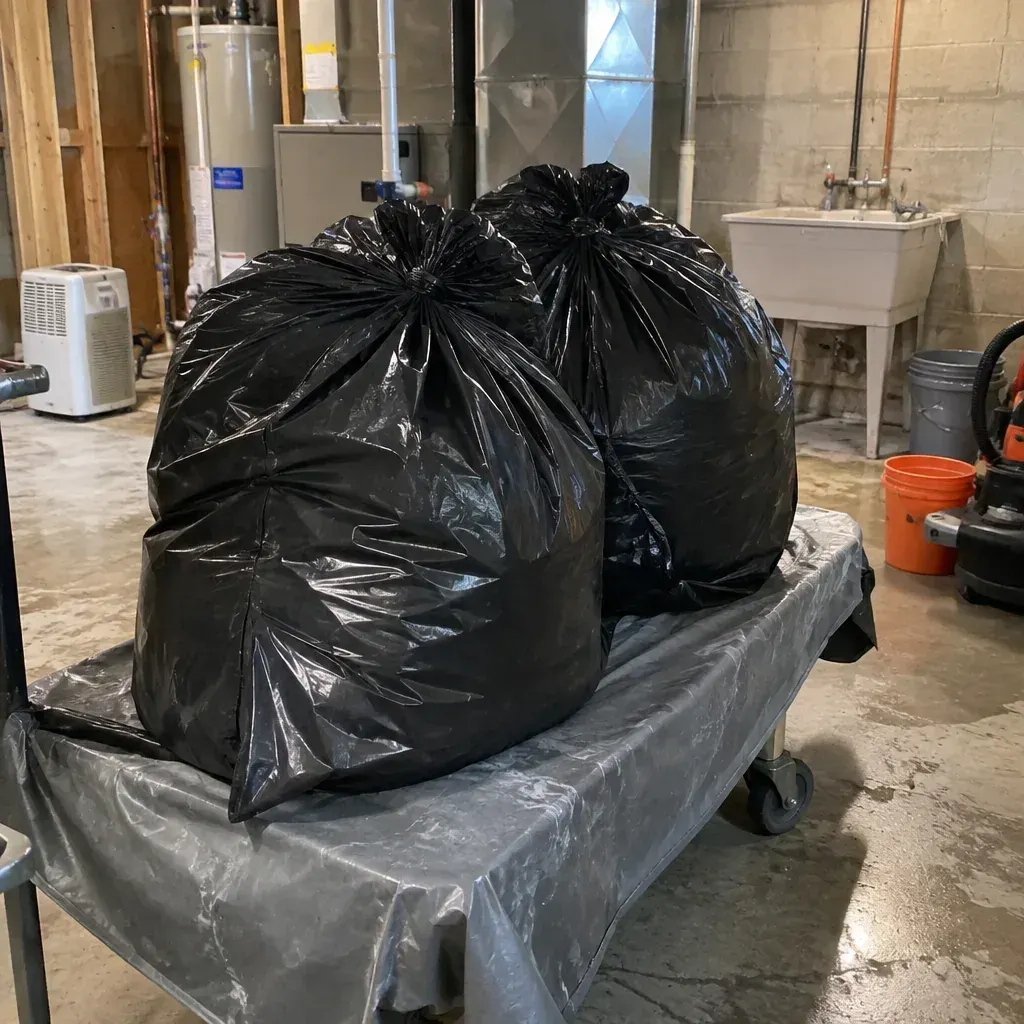
Request a cleanup review of affected rooms and materials. The findings show what needs removal, cleaning, disinfection, and drying, which guides cost.In Maple Grove, a house guide range reflects affected rooms, materials, and assessed work. It covers sewage removal, material handling, cleaning, disinfection, odor treatment, and drying when needed. Plumbing diagnosis and sewer line repair fall outside that cleanup scope. Confirm visit charges and the exact written scope directly with the pros we connect you with.Review the pricing guide for pricing details, then visit the Contaminated Material Removal page to understand the cleanup process and its scope.
Drying Details

Where Cleanup Ends and Plumbing Begins

Septic Backup Cleanup

After a septic backup. After a septic system backup, a cleanup professional contains the…

Questions Answered

Common Questions

What should happen if sewage reaches my furnace air handler?

Keep the air handler off if sewage may have reached it. An HVAC professional can inspect the cabinet, filter slot, and nearby return opening. The cleanup assessment should trace where sewage contacted equipment or duct materials. Filters exposed to sewage may need replacement, while affected surfaces need cleaning and disinfection. In Maple Grove, cleanup and HVAC specialists can coordinate their work. A plumber handles diagnosis or repair of the backup source.

Can a sewage-exposed HVAC filter be cleaned and reused?

A filter that contacted sewage should not be treated as an ordinary dusty filter. Its material and condition affect whether it can be cleaned safely; replacement may be needed. The assessment should also check the filter rack and nearby air handler surfaces for residue. A homeowner near Kemp Park should leave the system off while that review is arranged. Cleanup addresses contamination; HVAC specialists assess equipment condition.

Who should assess ducts after a backup in Maple Grove?

A cleanup professional can assess where sewage reached the structure, while an HVAC professional can inspect the air handler, filter area, and duct materials. They can coordinate the order of cleaning and any equipment review. A contaminated filter may need attention before the air handler is considered ready for use. The plumber’s separate role is to diagnose or repair the backup source.

Should I run the furnace while sewage cleanup is underway?

Leave the system off until an appropriate cleanup or HVAC professional assesses it. Running a fan or furnace could move residue from affected equipment or ducts into other parts of the building. Do not open powered panels or reach inside the unit. After affected surfaces are cleaned and disinfected, the HVAC specialist can advise whether further equipment work is needed before operation resumes.

Request Cleanup Help

Want someone to assess what was affected?

Keep the affected area unused while sewage remains, and keep people and pets out. Call and ask about the visit charge before booking. Have the findings and proposed work documented, from sewage extraction and material removal through cleaning, disinfection, and drying. Plumbing repairs require a plumber.

Call (763) 298-9074
Check open scheduling, arrival timing, visit fees, and the written plan
Call (763) 298-9074 Schedule Online