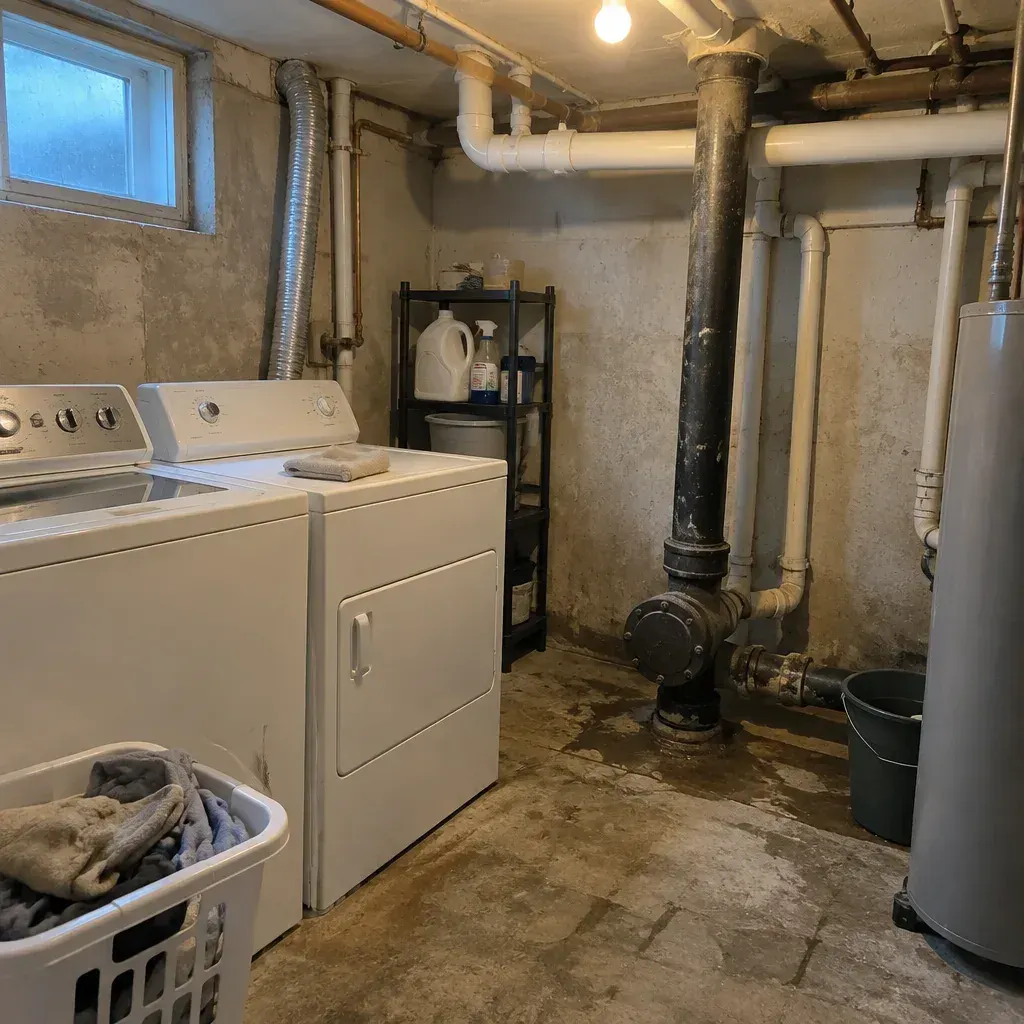
Sewage vs. Water Restoration
See how sewage cleanup differs from ordinary water restoration, from assessing contamination to deciding which materials need removal and treatment.
Read article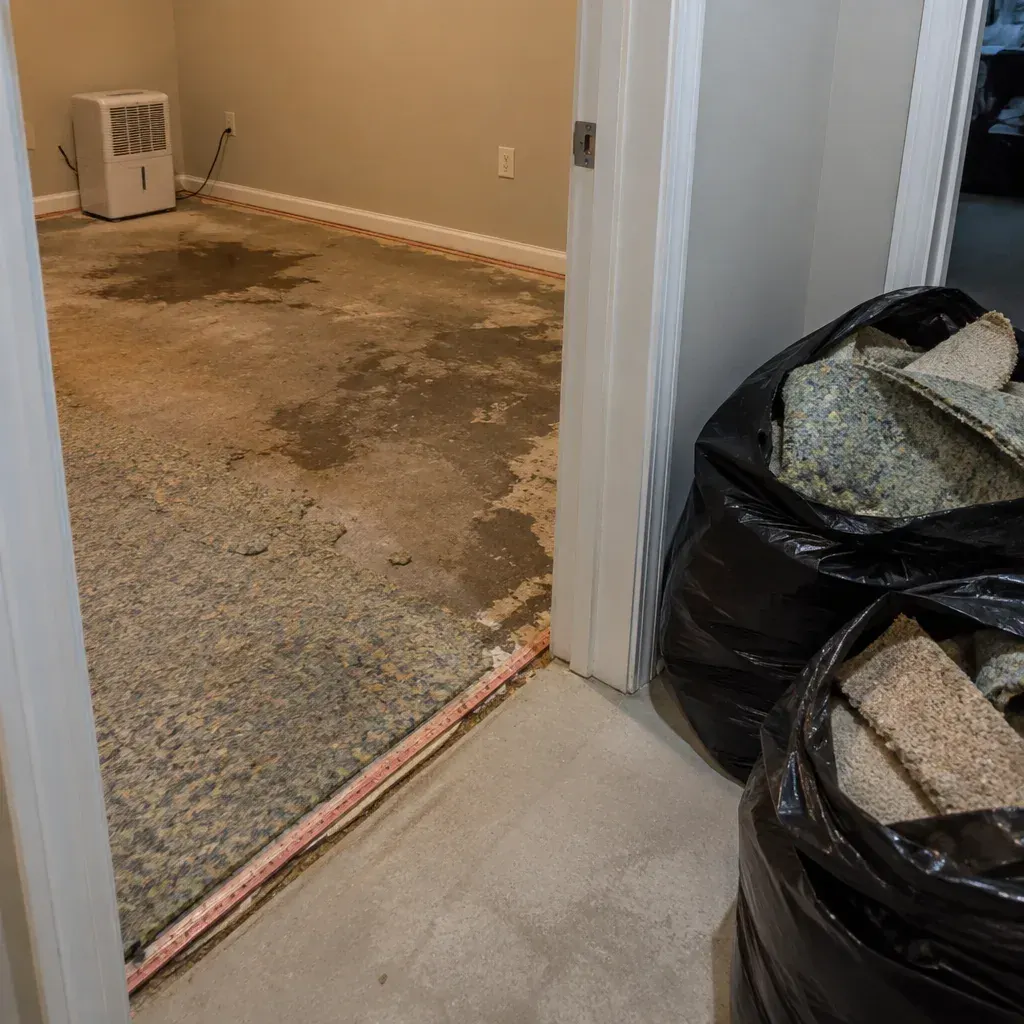
Find out which sewage-soaked materials have to come out, then call now for a local licensed pro.
Contaminated material removal Maple Grove, MN starts with finding which sewage-soaked drywall, insulation, carpet, or trim can't be cleaned and has to come out. The licensed pros we connect you with assess each room, remove what the findings support, then clean and dry the rest.
Cost and timing depend on the area involved, the material types, and how much must be removed and dried. Call (763) 298-9074 now to get an assessment started.
Drywall that feels soft, swollen, or stained after sewage contact may be contaminated through its paper facing. Damage often reaches past the visible splash line.
Wet or visibly contaminated insulation is assessed separately from the wall around it. Removal follows what the sewage reached, not just the visible stain.
Carpet, padding, and upholstery absorb liquid, so a damp surface can hide deeper contamination. A musty or sewage smell after the visible water is gone is a red flag.
Swollen trim or a discolored lower wall shows sewage reached the wall edge. Lifting edges or separating finishes can appear as the area dries.
The pro checks contact, material type, and visible damage, then marks items for removal, cleaning, or drying. This sets the scope and estimate.
Affected rooms are contained and sewage is extracted. Separating work areas helps keep contaminated water and debris out of clean spaces.
Materials that can't be cleaned thoroughly come out as contaminated debris. Remaining surfaces are prepared for cleaning and disinfection.
After cleaning and odor treatment, drying equipment pulls moisture from affected materials. Follow-up checks show whether the structure is dry enough.
Contaminated material removal matters because absorbent building products can hold sewage well beyond what shows on the surface. Removing only what the assessment supports keeps the scope clear and leaves cleanable materials to be cleaned and dried.
Maple Grove homes and small commercial spaces have different wall assemblies, finishes, and access routes. A good assessment names each affected material and says whether it will be removed, cleaned, or dried. The route from State Highway 7 doesn't decide what comes out; exposure and material condition do.
Cleanup covers contamination inside the building. If sewage keeps backing up, a plumber may need to diagnose the source or repair a sewer line, and that work is separate. Ask the cleanup provider and plumber to coordinate timing, and request photos and notes of affected materials; insurance coverage depends on your policy.
In Maple Grove, contaminated material removal estimates can vary when cleanup includes odor treatment after sewage and contaminated materials are removed near Hamel Legion Park.
| Affected Rooms | Work Performed | Cost Drivers |
|---|---|---|
| Localized cleanup | Crow Hassan Park area: assess visible sewage impact and needed cleanup | an estimated $3,500–$6,500 |
| One affected room | Cleaning, odor treatment, and drying for areas listed in the assessment | an estimated $4,025–$8,450 |
| Several cleanup zones | Documented added areas and materials, with removal, disinfection, and drying | an estimated $3,500–$6,500 |
| Structure-wide cleanup | Assessed porous-material removal followed by cleaning and disinfection | an estimated $8,400–$26,000 |
The estimate can change when porous materials need removal, added surfaces need disinfection, or odor treatment is included. Drying needs also depend on the affected structure. A longer-lasting replacement finish can affect the total. The full pricing guide explains how cleanup tasks and material choices shape the scope.
Drywall usually needs removal when it feels soft, swollen, or stained, or when its paper facing absorbed sewage. The pro assesses how far the contamination spread, including nearby insulation. Ask them to explain the proposed cut boundary.
Often not, because carpet and padding absorb sewage and are hard to clean thoroughly. The answer depends on contact, construction, and condition after exposure. Ask the provider to list each item and explain its recommendation.
Porous items may need removal when contamination has entered absorbent surfaces. Upholstered contents are assessed separately from attached building materials. The pros we connect you with can document findings and explain the decision for each item.
They are handled as contaminated debris and kept out of clean areas. Containment limits the spread as affected items come out, and nearby surfaces may need attention afterward. Ask how removal will be contained and documented.
Possibly, if the backup source still needs diagnosis or sewer line repair. Cleanup covers sewage and damage inside the structure, including material removal and drying, while plumbing is separate work. Ask whether source work should happen before removal or drying.
$7,000–$14,000 is the estimate for sewer backup cleanup work; no researched price range was provided. The area affected, materials requiring removal, and drying needs change the cost, so the pros we connect you with can confirm it after assessment.
Learn how sewage spreads through materials, what cleanup removes, and why drying follows disinfection.
See how sewage cleanup differs from ordinary water restoration, from assessing contamination to deciding which materials need removal and treatment.
Read article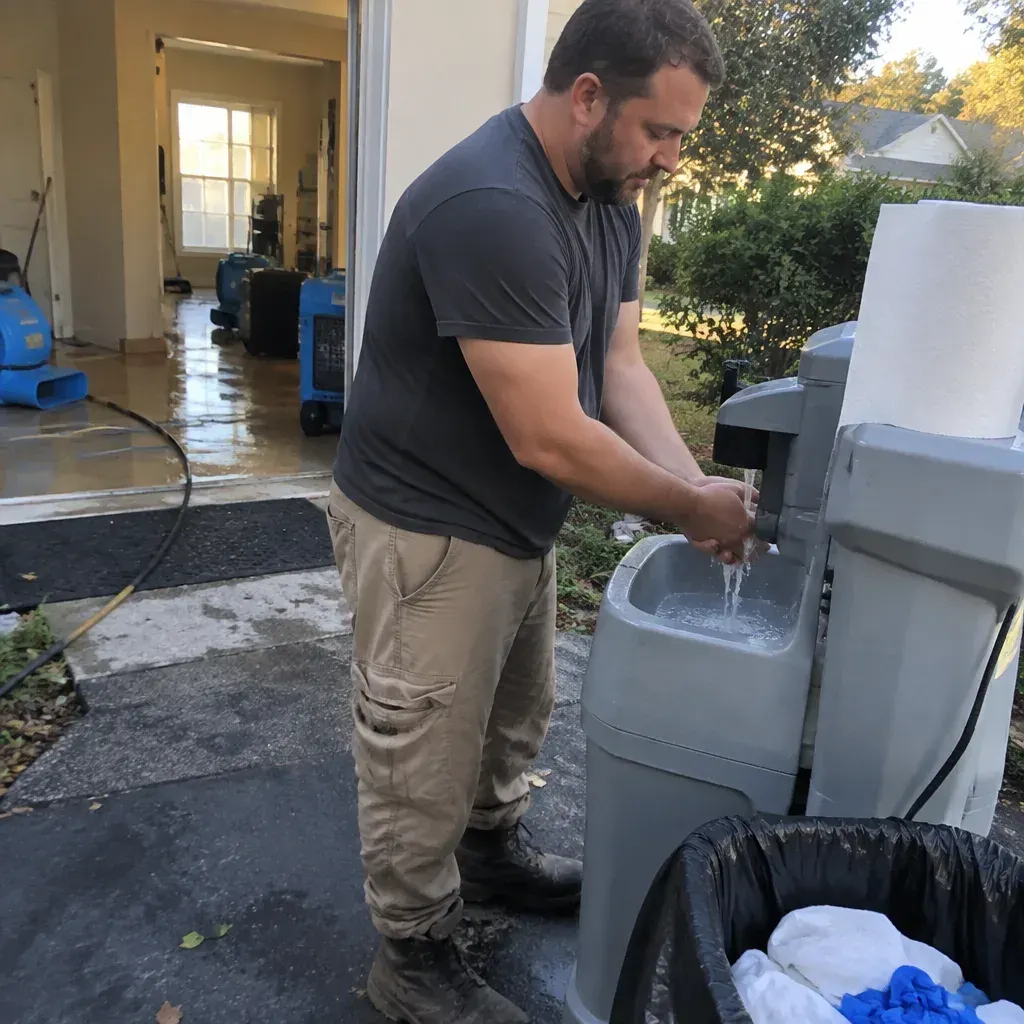
Learn what safety practices cleanup workers should follow during sewage remediation, from hazard assessment and protective equipment to careful handling of contaminated materials.
Read article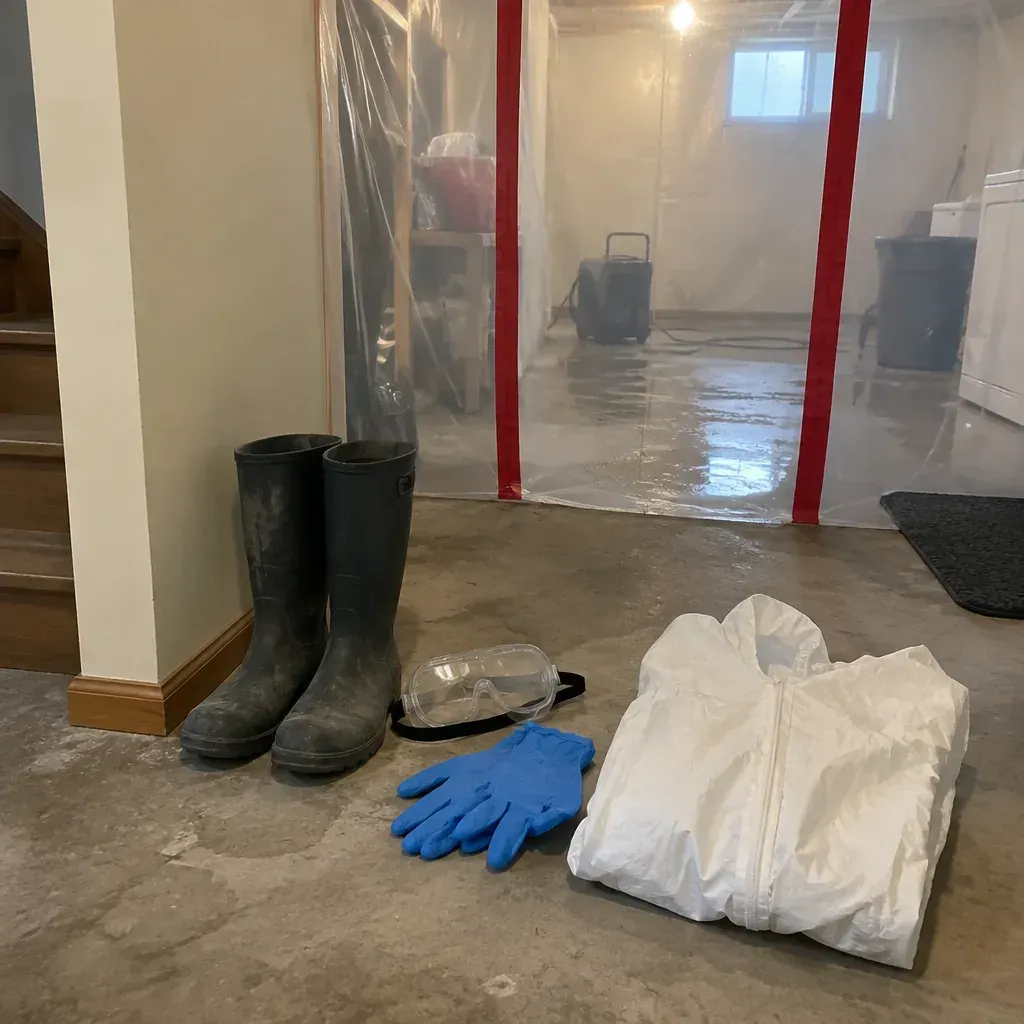
Learn what a written sewage cleanup estimate should explain, including work areas, material removal, drying, exclusions, and how newly discovered conditions affect scope.
Read articleFor a property near State Highway 7, describe what backed up and which surfaces or belongings were exposed. Keep people and pets out of the affected area until it has been assessed and cleaned. Ask the pros we connect you with what materials may need removal, how remaining surfaces will be cleaned and disinfected, and what drying includes. Confirm availability, charges, and the written scope before work begins. A plumber may be needed separately to diagnose or repair the backup source.
Call (763) 298-9074