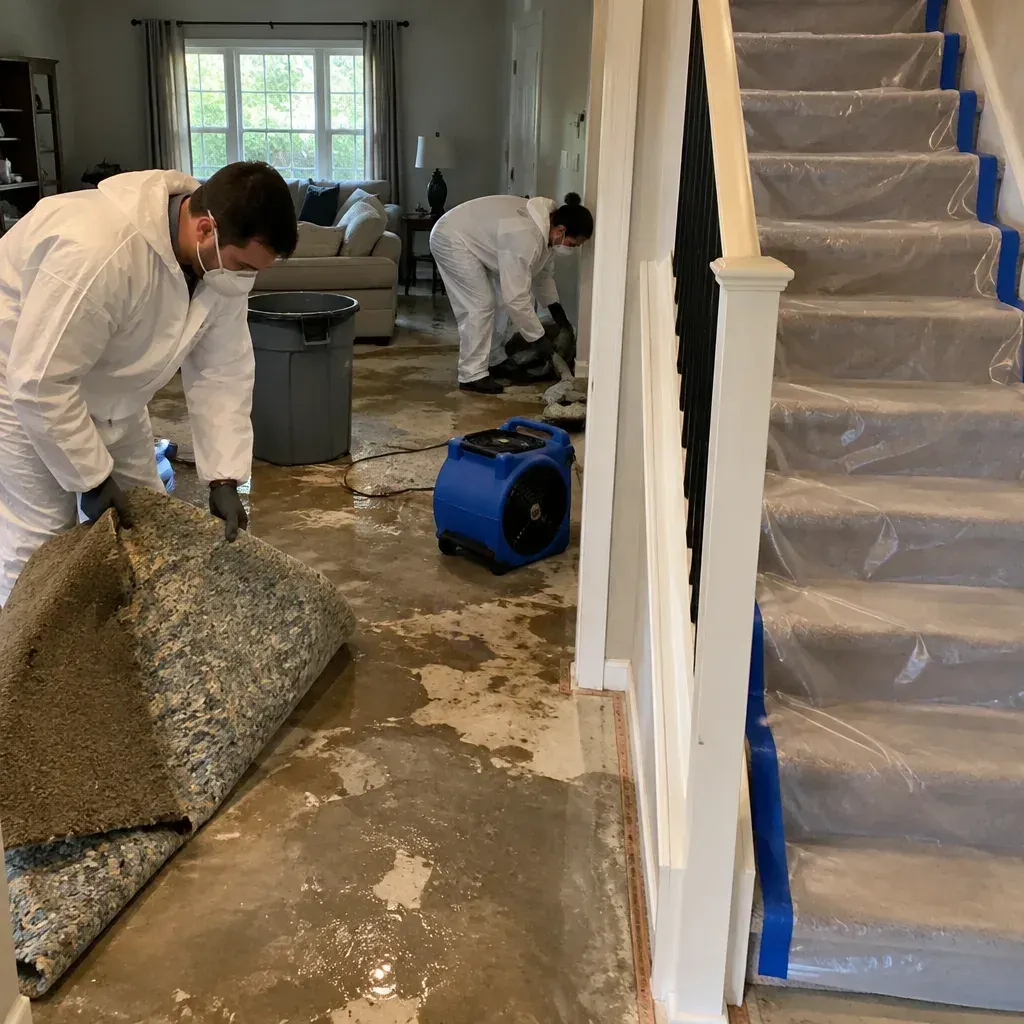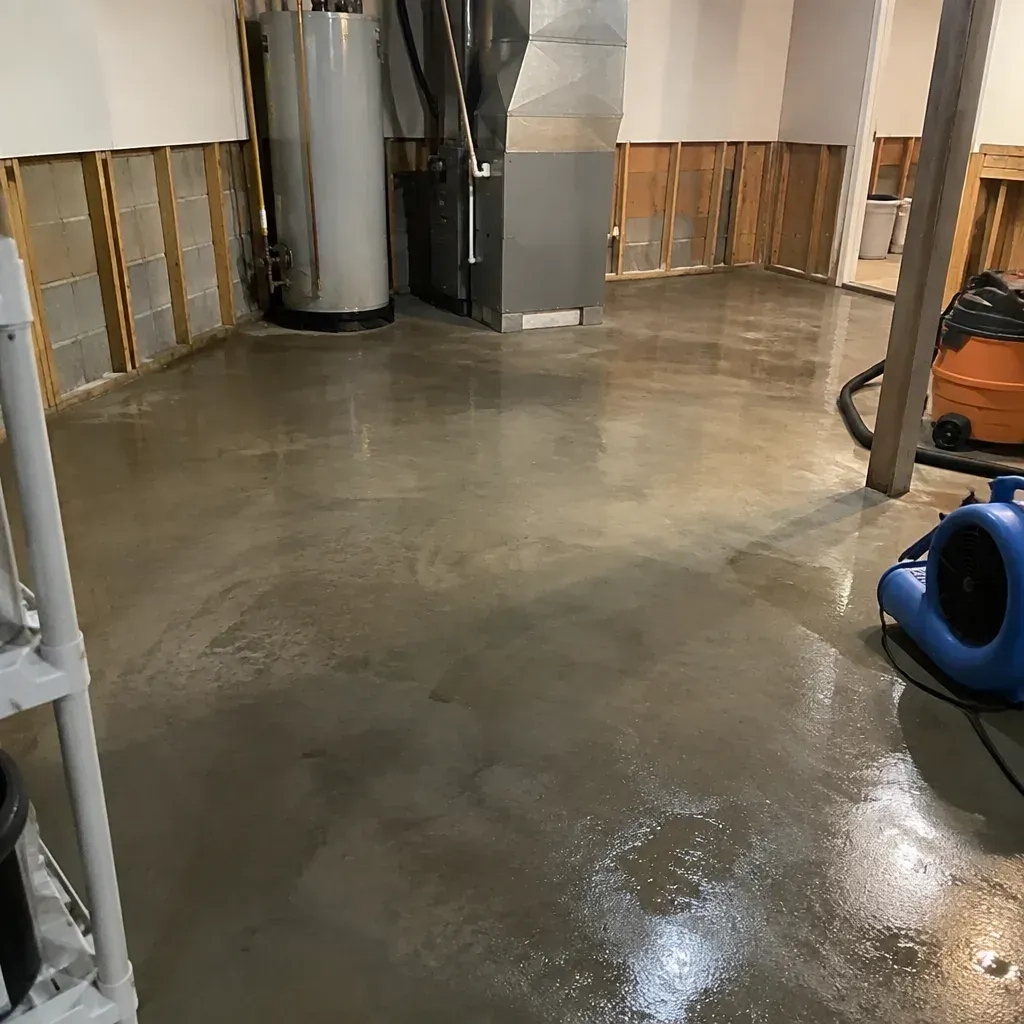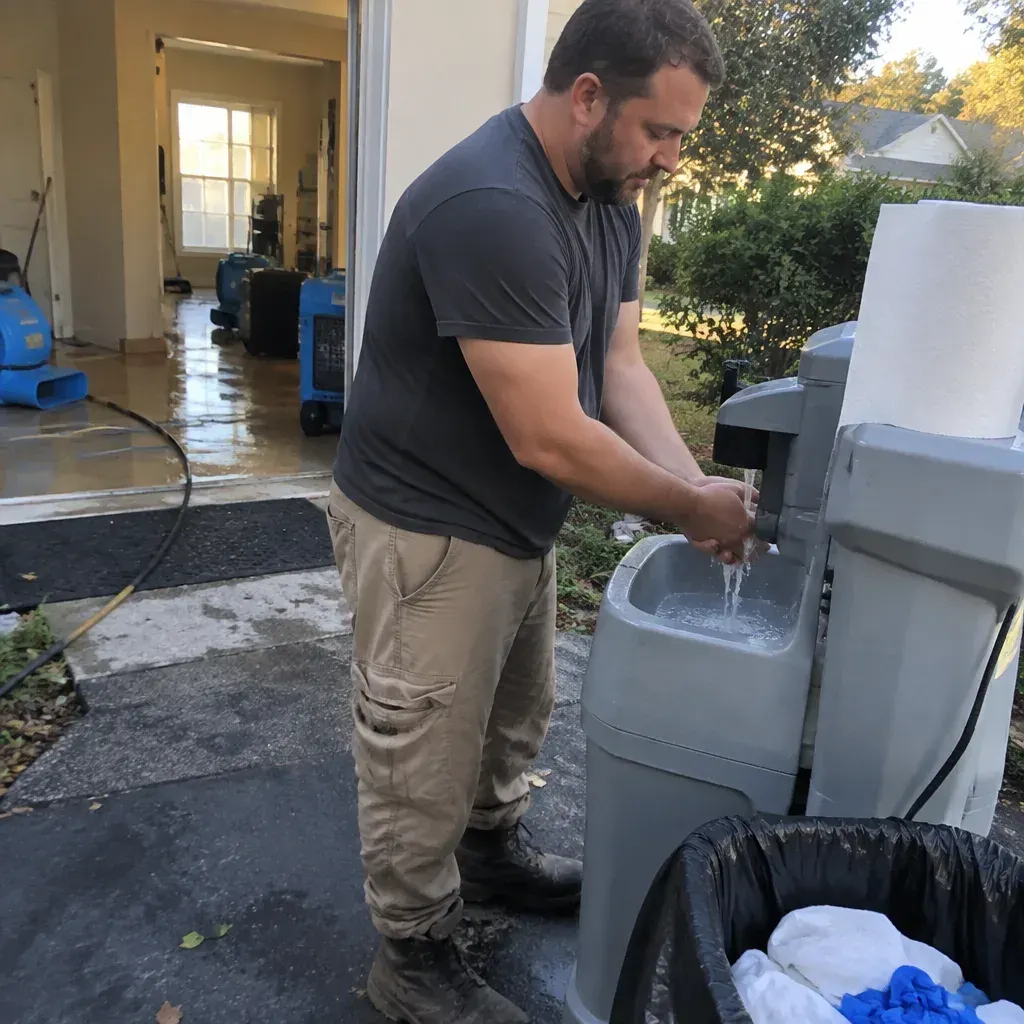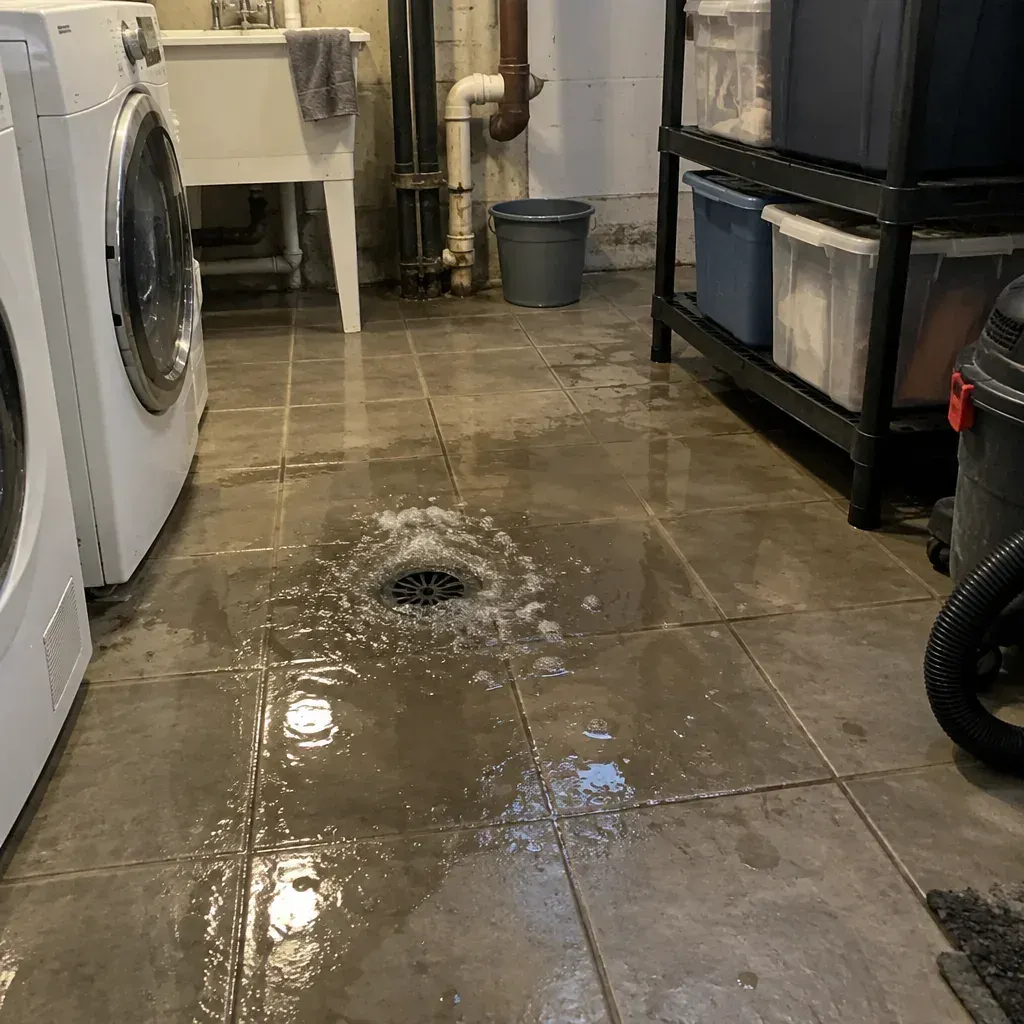
Start by Separating Exposed Food
First, stop handling food in the affected area. Do not taste it or serve it. Keep people and pets away while the owner sorts what sewage touched. In Maple Grove, whether a home is near Weaver Lake or elsewhere, use the same rule: food contacted by sewage goes in the discard pile. This order keeps questionable items out of meals while the owner checks packages and storage areas. The pros we connect you with handle cleanup of affected areas; food decisions remain separate. If contact is unclear, set the item aside and seek current public health guidance before using it.
Next, separate food from its packaging before deciding what remains usable. A torn wrapper, open lid, puncture, or wet cardboard can let sewage reach the contents. Discard food when the package is damaged or contamination reached an opening. Paper bags, boxes, and other absorbent packaging cannot protect food after sewage contact. Do not rely on appearance or smell to settle an uncertain case. Keep questionable items apart from food that stayed outside the affected area. If the package looks sealed but its condition is unclear, consult current food safety guidance before deciding.
Check Packaging for Breaks
Look for damage before moving packaged food. A dent alone does not show whether sewage entered, but a puncture, loose seal, cracked lid, or soaked label can signal a compromised package. Discard exposed contents when sewage reached the opening or food. Throw away food in paper, cardboard, or other absorbent wrapping if sewage touched it. Keep uncertain sealed items separate while checking current guidance. This careful sort helps a homeowner avoid mixing questionable packages with unaffected groceries. In Maple Grove, a small shop along US Highway 169 can use the same approach for stored inventory.
For a small commercial kitchen, stop service from any food stored where sewage reached. Set affected stock apart from unaffected supplies, then sort by direct contact and package condition. Discard exposed food and items in compromised packaging. Do not let staff move questionable goods back into storage or offer them for sale while the owner checks guidance. A written item list can help keep the decision consistent across shelves, coolers, and deliveries. The owner should ask local public health officials about uncertain cases and follow current food safety directions before reopening that stock.
Discard Food Sewage Reached
Discard food that sewage touched directly, including unpackaged items and food from an opened container. This includes produce, leftovers, bread, and ingredients sitting in exposed bowls or trays. Do not try to save an item by rinsing, peeling, or cooking it. Put discarded food in a bag and keep it apart from groceries that were not exposed. A homeowner may find affected items in a pantry, refrigerator, or basement storage area. Work through one location at a time so an exposed item does not get returned to the shelf by mistake.
After sorting, remove the discard pile from food storage and keep it away from supplies the household plans to use. Do not donate, feed, or serve food that came into contact with sewage. If a bag leaks or an item is hard to handle without entering the affected area, leave it in place and wait for cleanup help. The pros we connect you with can address contamination in the structure. The owner can then review any remaining uncertain food with current food safety or public health guidance before putting it back into use.
Clear Food Storage Before Restocking
Once exposed food is removed, leave the affected storage area clear. Do not place replacement groceries on shelves, counters, or inside cabinets that sewage reached. Cleaning those surfaces is a separate step; this checklist covers the food decision. Keep unaffected food in a clean, separate location while the area is assessed. In Maple Grove, the same pause applies in a home near Central Park or a small business elsewhere. Restocking too early can put safe food back beside an unresolved source of contamination.
Before using food whose exposure is uncertain, check current food safety or public health guidance. Describe the package type, whether it stayed sealed, and what sewage touched. If the answer remains unclear, discard the food rather than guess. The owner can also note which items were discarded and which were held for guidance. That record helps prevent a questionable package from being mistaken for cleared stock later. These steps keep the decision focused: discard contacted food, separate uncertain packages, and return food storage to use only after the affected area is ready.
Dealing with a sewer backup in your home?
Heavy rain can overwhelm drainage and contribute to a sewage backup. For a homeowner in Maple Grove, a wet floor or sewage odor signals a need to keep people and pets out. That applies near Territorial Park, Elm Creek Park Reserve, and Crow River alike. Assess the area only from a safe distance. Photograph visible damage from a safe distance before cleanup changes the scene. A plumber must diagnose and repair the backup’s source. Ask the pros we connect you with about cleanup scope, service coverage, availability, timing, and any visit charge. Confirm those details directly before arranging a visit.