Start by Separating Exposed Garments
Cost depends partly on how much clothing was exposed and how badly it was soiled. A homeowner should keep those garments apart from clean laundry from the start. Do not carry them through clean rooms or mix them with household washing. Around Weaver Lake, the next step is to ask a public health or qualified cleanup professional how to handle each item. That guidance can help the owner decide whether clothing can be laundered or should be discarded.
A garment with visible sewage or soaked fabric may be difficult to salvage. Porous materials can hold contamination where ordinary cleaning may not be enough. Set heavily soiled clothing aside, away from clean items, and ask a qualified professional whether to discard it. In a Maple Grove home, that decision can affect the amount of material requiring removal. Do not assume a favorite or costly garment is safe to keep because it looks clean after drying.
Rain-Related Cleanup and Clothing
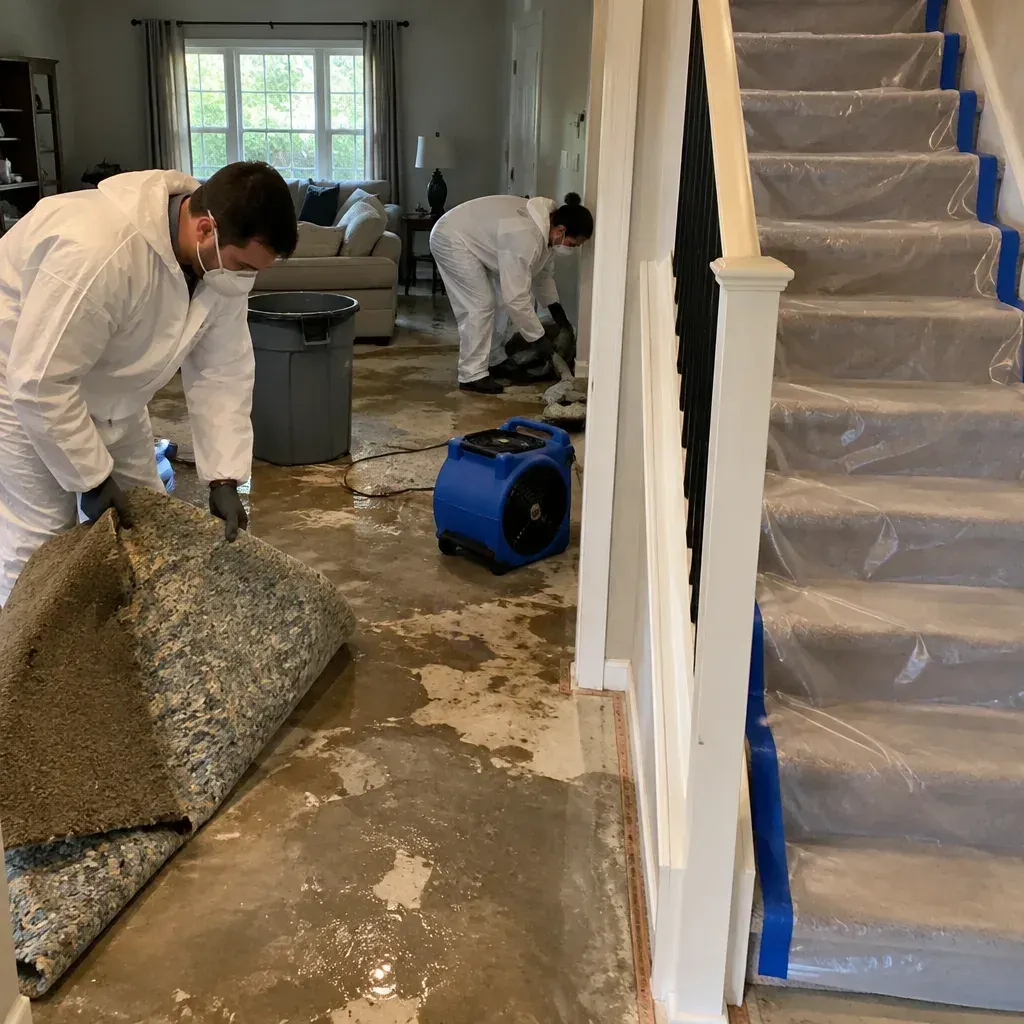
Clothing decisions can affect cleanup costs: the amount of sewage on fabric and whether it can be kept matter. Check pockets and folds for visible residue before deciding how to handle each garment. Do not mix them into household loads. Heavily soiled items may need to be discarded when contamination is extensive. Less affected garments still need careful handling before returning to regular use. Keep each item separate until a public health or qualified cleanup professional can advise based on its condition.
In a small Maple Grove business, staff clothing may be exposed while people move items from an affected area. Place those garments apart from uniforms and other clean laundry. The owner should arrange guidance before washing or reusing them. The amount of clothing involved and its condition can shape the handling plan. A sewer backup cleanup professional can help assess affected materials, while clothing decisions should follow qualified public health or cleanup guidance.
When Heavily Soiled Items Need Review
A damp cuff or stain can show where sewage contacted clothing, but appearance alone cannot establish whether an item is safe to keep. In Maple Grove, a homeowner should tell the professional what became wet and whether garments were directly soiled. Keep those details with the separated items. This helps guide a decision about laundering or disposal without guessing from color, odor, or how dry the fabric feels.
During cleanup, work clothes may brush against contaminated materials as they are moved. At a small shop near Central Avenue, the owner should set those garments aside before staff return to ordinary laundry routines. Do not handle exposed clothing alongside clean stock or uniforms. Ask a qualified cleanup professional how the items should be managed. The source of the backup is a separate plumbing matter if diagnosis or sewer-line repair is needed.
Laundry Guidance Before Reuse
Laundry precautions depend on the exposure, garment condition, and advice from a qualified professional. Do not choose a disinfectant or washing method by guesswork. Product directions matter when a disinfectant is recommended, including its stated contact time and safety instructions. A Maple Grove homeowner can describe the clothing and ask whether laundering is appropriate. Keep it apart from clean laundry until that advice is clear.
In Maple Grove, clothing related cleanup costs depend on how much sewage reached garments and whether items need disposal. Keep clothes exposed to sewage separate from clean laundry. Wet fabric can leave residue on surfaces if it brushes against them during handling. A small business near State Highway 7 should keep exposed workwear apart as well. Heavily contaminated items may need to be discarded. Before washing other clothes, get guidance on laundry precautions. Do not combine exposed garments with clean loads while deciding what can be safely handled.
Dealing with a sewer backup in your home?
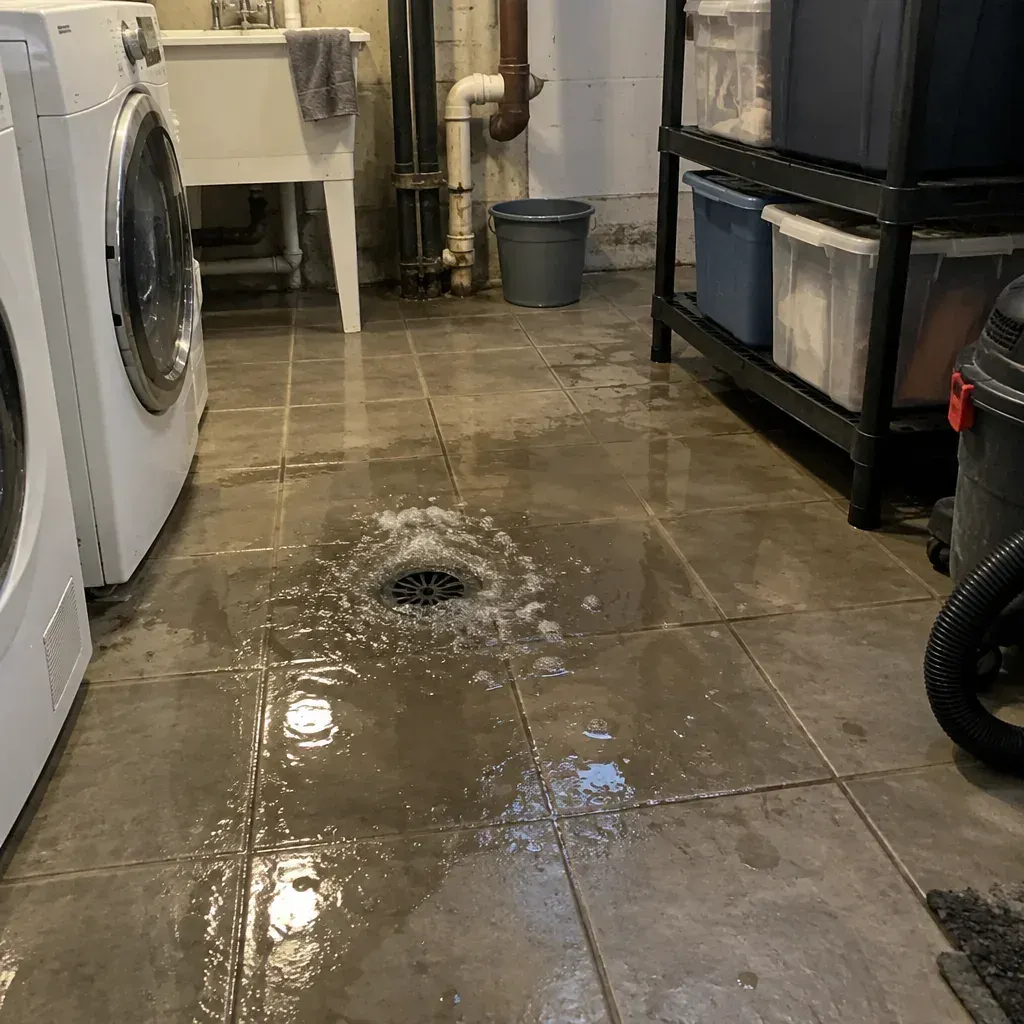
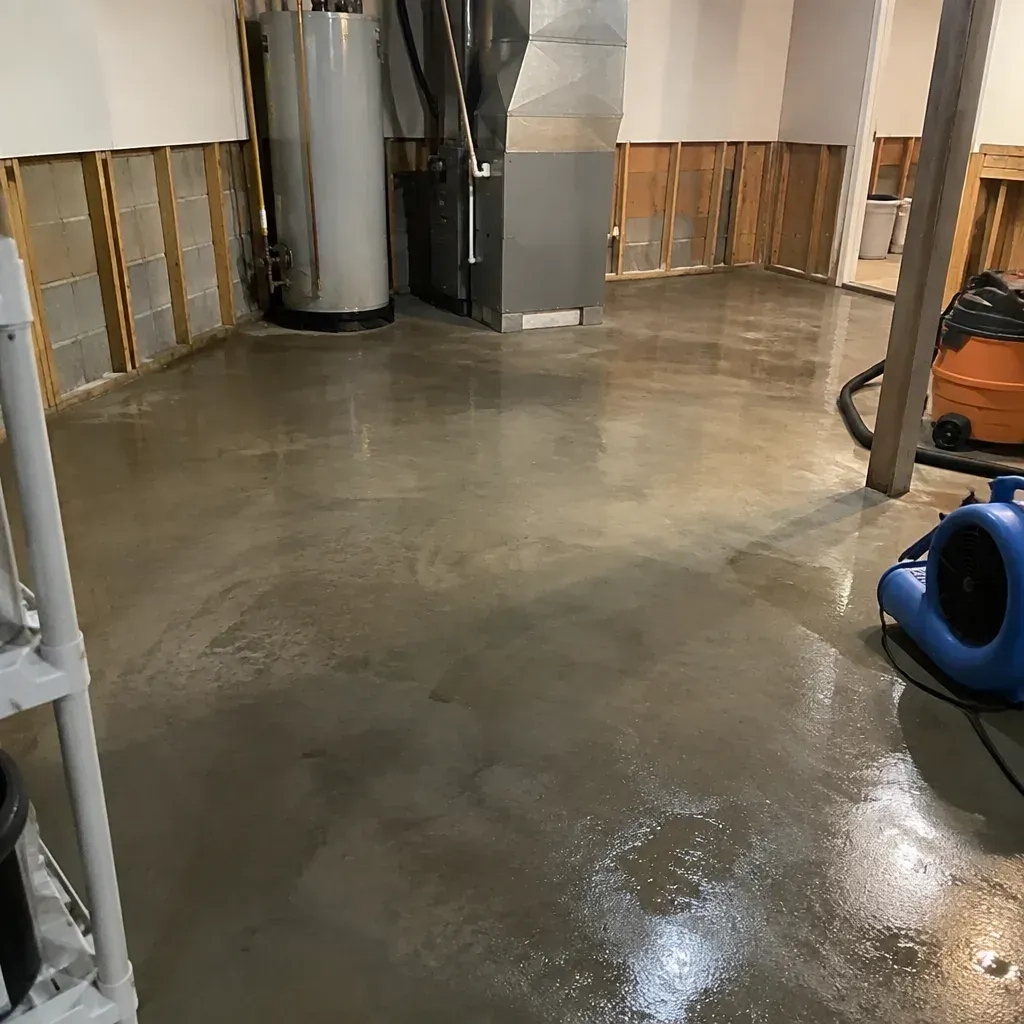
Heavy rain can overwhelm drainage and contribute to a sewage backup. For a homeowner in Maple Grove, a wet floor or sewage odor signals a need to keep people and pets out. That applies near Territorial Park, Elm Creek Park Reserve, and Crow River alike. Assess the area only from a safe distance. Photograph visible damage from a safe distance before cleanup changes the scene. A plumber must diagnose and repair the backup’s source. Ask the pros we connect you with about cleanup scope, service coverage, availability, timing, and any visit charge. Confirm those details directly before arranging a visit.