Retail Cleanup
Retail cleanup
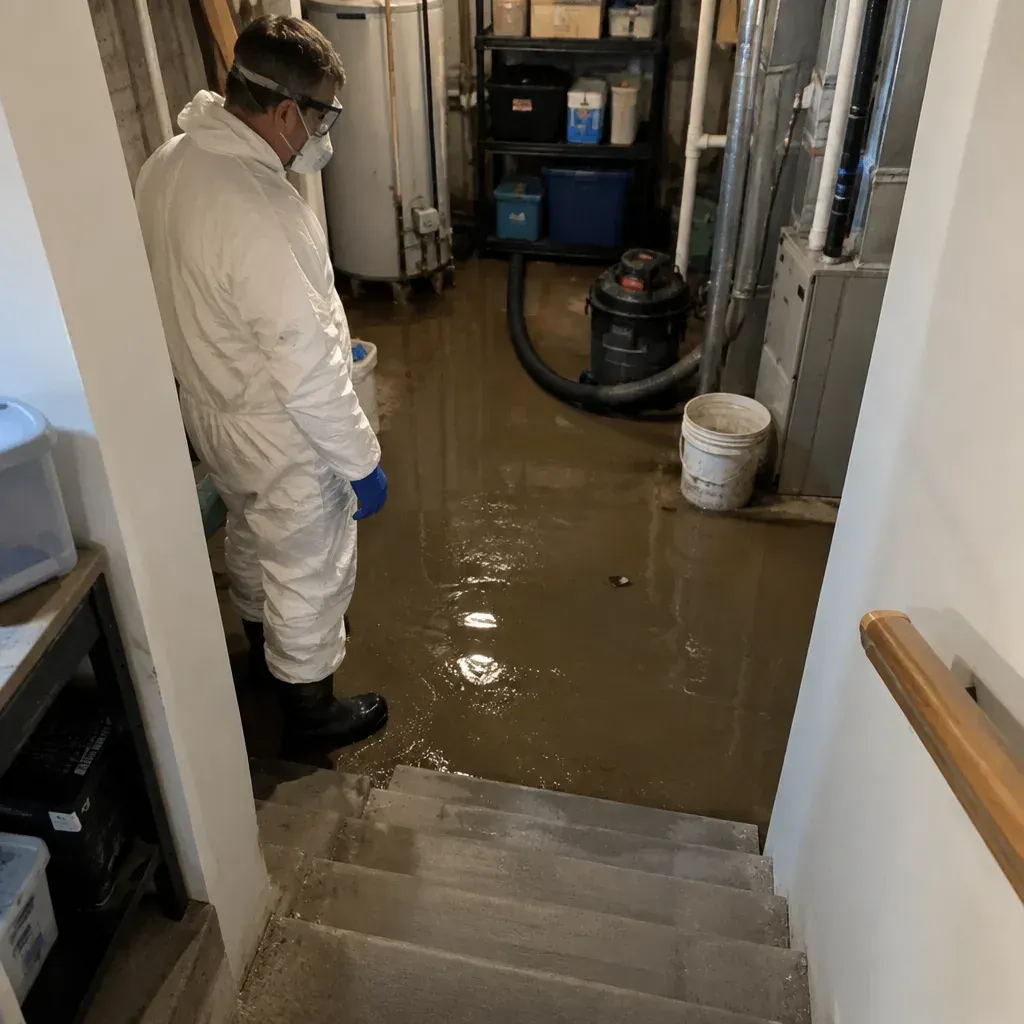
See how clinics in Maple Grove can separate affected spaces, coordinate operations, and review cleanup before rooms reopen.
Separate affected rooms from clean areas, extract sewage, remove contaminated materials, and clean and disinfect exposed surfaces. Dry the structure, document the work, and coordinate a return-to-use review with facility leads.
In Maple Grove, clinic sewer backup cleanup costs can rise when care schedules leave few rooms available for isolation. A treatment room kept out of use may affect appointments, while nearby services continue behind a clear boundary. The facility manager, infection prevention lead, and safety lead can identify which spaces must stay open. The pros we connect you with can use that plan to organize access and cleanup. A clinic near Maple Grove Hospital still needs a room-by-room review; a familiar address does not show where sewage traveled.
The first visible sign may be a wet floor, a drain that will not clear, or an odor in a clinic room. Those clues do not show the full path of the backup. In Maple Grove, facility staff can mark the room, nearby corridors, and connected spaces for review. A clinic sewer backup needs a boundary between affected and clean areas before extraction begins. Containment helps keep water and debris from spreading into spaces that remain in use.
A clinic may need some rooms closed while unaffected areas continue operating. Staff can coordinate access routes, appointment changes, and room availability with the infection prevention and safety leads. In Maple Grove, this planning helps the cleanup professional understand which doors, corridors, and shared spaces matter to daily care. The facility can identify an alternate route before work starts. Keeping the plan clear also helps staff know which spaces remain off limits during cleanup.
In Maple Grove, commercial sewage cleanup costs at a healthcare site depend on affected rooms, finishes, and equipment. A clinic sewer backup can cross a doorway into a corridor, complicating separation from clean spaces. Healthcare sewage cleanup begins with a room map showing the boundary and current patient routes. Facility infection prevention and safety leads can flag spaces that must stay isolated. At Maple Grove Hospital, a facility team would also identify entrances and shared corridors that need coordination. The pros we connect you with can use those details to plan access and cleanup sequence.
In Maple Grove, a facility review should note exposed surfaces and equipment by room. A damp cabinet, marked floor, or affected supply area gives staff specific items to assess. Clinic leaders can compare those observations with room use and patient movement. They can also coordinate temporary route changes before cleanup begins. For a site reached from US Highway 169, access notes can help staff direct arrivals around a closed entrance. This practical record helps keep daily operations aligned with the affected area’s changing status.
| Facility space | Observed impact | Next step |
|---|---|---|
| Space status | Affected rooms mapped | Adjacent areas marked |
| Affected space limits | Containment limits spread | Clean space stays separate |
| Occupant flow | Care activity coordinated | Alternate routes reviewed |
| Exposed surfaces | Clean and disinfect | Protected from entry |
| Care workflow impact | Exposure assessed | Unaffected items safeguarded |
| Return-to-use review | Porous items evaluated | No sewage contact noted |
| Cleanup record | Photos and notes kept | Elm Creek or Hamel reference |
| Return review | Drying status recorded | Facility leads review use |
Before removal or washing begins, containment marks the work area and separates it from unaffected rooms. The boundary should account for the route used to carry out debris and bring in cleanup materials. In Maple Grove, facility staff can help identify doors and corridors that should remain clear for care operations. The cleanup plan then keeps movement organized around the affected space. This coordination protects the separation between the work area and spaces that staff have identified as unaffected.
Removing sewage first clears the way for the remaining cleanup steps. Remaining surfaces are cleaned and disinfected, and odor treatment may follow removal and cleaning. In Maple Grove, the facility can track each step by room so the record matches the work completed. Structural drying follows extraction and cleaning, reducing moisture left in affected building materials. The sequence matters: drying does not replace removal, cleaning, or disinfection where those steps are needed.
Equipment requires a separate decision from the room around it. Staff can identify what was exposed, what can be moved for assessment, and who within the facility should decide whether an item is ready to return. In Maple Grove, the cleanup professional can document visible conditions and completed work without making clinical decisions about equipment. The facility’s infection prevention lead can guide its review process. This keeps room cleanup records distinct from decisions about equipment used in care.
In Maple Grove, facility documentation can track which rooms were isolated, assessed, cleaned, disinfected, and dried. Notes can identify affected surfaces and equipment, plus any areas that remain under review. Infection prevention and facilities leads can use the record during a return-to-use review. That review should account for the room’s intended use and nearby clean spaces. A location reference such as Weaver Lake Park can help distinguish a site in later coordination. Keep the record current as access routes and room status change.
An odor can remain after visible sewage is gone if contaminated material or moisture remains. The cleanup assessment should connect the odor to affected surfaces and materials, then address it after sewage and debris are removed and surfaces are cleaned. In Maple Grove, staff can report where the odor is noticeable without entering the affected area. The cleanup professional can include odor treatment as part of the work when appropriate. Drying affected structures remains part of completing the cleanup.
Cleanup inside the building does not diagnose why sewage backed up. A plumber may need to inspect the sewer line or other source and make repairs. In Maple Grove, facility management can coordinate that plumbing work with cleanup so the source issue and interior contamination are handled as separate tasks. The cleanup record can note when the affected area was assessed and what work occurred. A plumber’s findings can inform facility follow-up, while room cleaning and drying address damage inside the structure.
A return-to-use review should consider the completed cleaning, disinfection, and drying, along with the facility’s own room requirements. In Maple Grove, infection prevention and safety leads can review the documentation and decide what facility checks remain before a space reopens. A visible clean floor alone does not show whether affected materials were removed or the structure dried. The cleanup professional can provide records of completed work for that review. The facility retains the decision about when care resumes in the room.
For facilities with more than one location, a consistent record makes later review easier. Each site can document its own affected rooms, adjacent spaces, equipment concerns, and completed cleanup steps. In Maple Grove, a manager can use the same categories across locations while keeping findings specific to each building. The record should show what was assessed and what was removed, cleaned, disinfected, or dried. This supports coordination without assuming that rooms with similar names had the same exposure.
A local site note can name a familiar reference such as State Highway 7, Central Avenue, or Weaver Lake Park, then identify the facility address and affected room. Those references help staff distinguish locations in Maple Grove; they do not replace an on-site assessment. The useful next step is to mark affected and adjacent spaces, then consult facility infection prevention and safety leads alongside an independent cleanup professional. Their review can establish the cleanup plan and the records needed for return-to-use review.
Backflow can leave contamination in floor drains and low-lying fixtures. In a Maple Grove clinic, a backup can interrupt examination rooms while nearby spaces remain open. The first task is to map where sewage reached and separate those rooms from clean areas. A healthcare sewage cleanup plan then coordinates occupants and daily workflows, assesses surfaces and equipment, and records removal, cleaning, disinfection, and drying. Elm Creek Park Reserve, Champlin, and the Crow River help identify the local service area; actual cleanup boundaries follow the affected building.
A sewer backup can leave contaminated water and residue on floors and other surfaces inside a building.Dayton, Hamel and Rogers. Clarify whether cleaning and disinfection are part of the work, and ask about assessment visit charges or service beyond the usual area.
Commercial sites are often quoted per visit, based on affected area and visit frequency. A restroom backup in a small office may involve less cleanup than sewage across a shop floor. Contaminated materials, extraction, disinfection, odor treatment, and drying shape the estimate: $7,000–$14,000. Sewer-line diagnosis or repair is plumbing work.In Maple Grove, affected rooms and materials shape a commercial cleanup’s work list and price. For a site near Crow River or in Hamel, describe where sewage reached. Name affected surfaces and areas that may need drying. Ask the pros we connect you with to confirm visit charges and a written scope directly.Contamination and drying needs shape cleanup costs; pricing guide explains assessment, while commercial overview outlines commercial sewer backup cleanup coordination.
Mark the affected rooms and adjoining spaces before work begins. Containment keeps contaminated water and debris from moving into areas still in use. In a Maple Grove clinic, coordinate the boundary with facility infection prevention and safety leads, then share it with staff who manage patient and supply routes. The cleanup professional can assess whether the separation needs adjustment as materials are exposed.
Inspect exposed surfaces, furnishings, and equipment to determine what can be cleaned and disinfected. Consider whether sensitive records or supplies were exposed during the backup. Record affected items and room locations as the assessment proceeds. In Maple Grove, facility leads can use that record to identify what needs review before a space returns to use.
Coordinate room access and work timing with the teams responsible for patient care and facility operations. Affected rooms may need to stay out of service while sewage is extracted, materials are removed, and surfaces are cleaned and disinfected. Keep adjacent workflows routed through unaffected areas where practical. The cleanup plan should identify which spaces remain available and when conditions are ready for review.
Keep a room-by-room record of observed damage, materials removed, cleaning steps, and drying progress. Photos can help show conditions before and during work. Facility infection prevention and safety leads can review this information with an independent cleanup professional, then decide what additional checks are needed before affected rooms return to use.
Identify affected and adjoining rooms, then review boundaries and return-to-use needs with facility leads and an independent cleanup professional.
Call (763) 298-9074