Retail Cleanup
Retail cleanup
See how classroom, restroom, and shared-space impacts shape cleanup planning and school operations in Maple Grove.
School sewage cleanup starts by identifying affected rooms and keeping people out. The assessment guides decisions about contents, materials, cleaning, and drying. School leaders can use the room list and campus schedule to plan access and limit disruption to classes and shared spaces.
Commercial sewage cleanup costs depend on how many school areas are affected and what materials need removal. A classroom backup can interrupt lessons, while a restroom closure can shift student traffic across the building. In Maple Grove, school sewage cleanup planning starts by identifying each affected room and the activities it supports. That picture helps facility leaders weigh cleanup needs against operational disruption. A contained spill in one room presents different scheduling needs from contamination reaching connected halls or shared spaces.
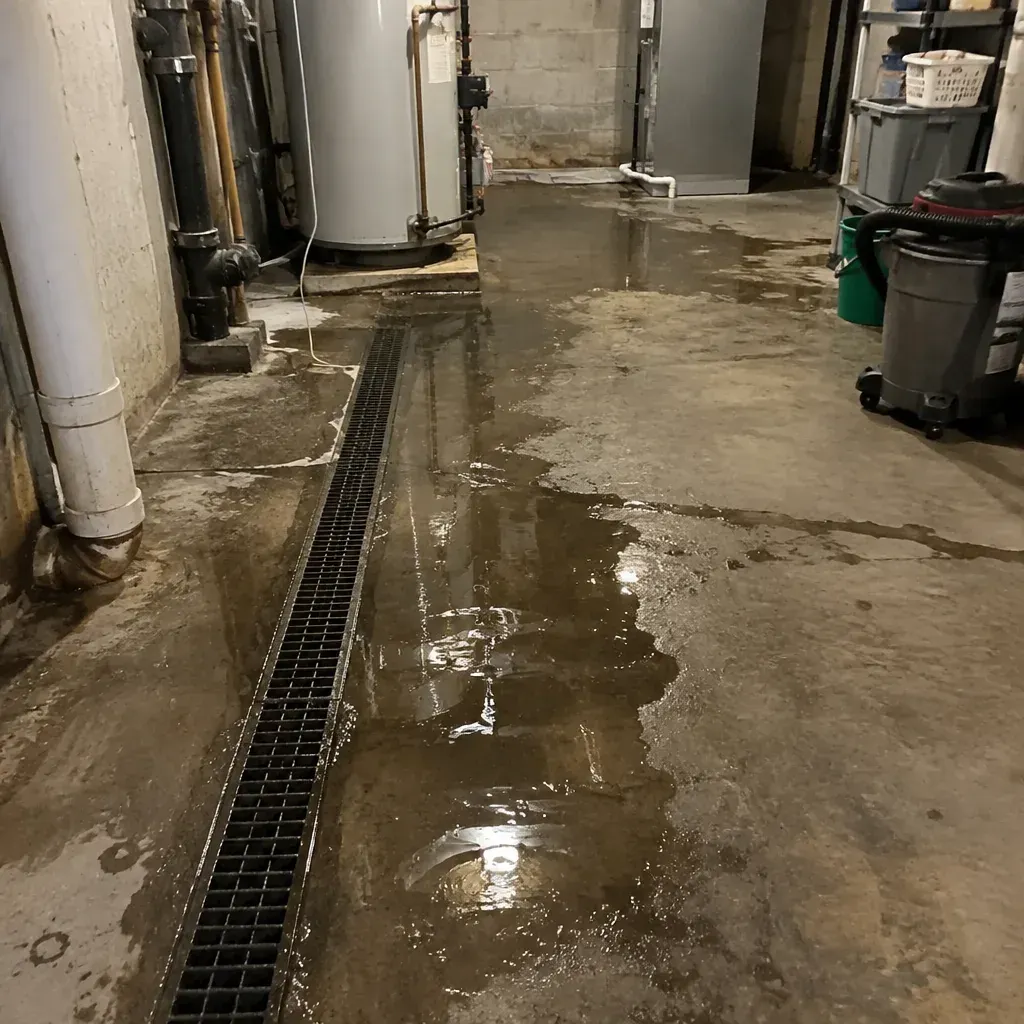
The first signs may be damp flooring, sewage odor, or water near a floor drain. Those signs call for keeping people away while the affected area is assessed. At a Maple Grove school, a closed classroom can affect instruction, storage, and nearby transitions. A contaminated restroom may also change access for students and staff. Listing visible impacts helps the facility team understand which operations need adjustment while cleanup professionals assess the extent of contamination.
Common areas can complicate scheduling because students and staff pass through them throughout the day. A corridor, cafeteria, or shared restroom may connect several activities. In Maple Grove, school building cleanup planning should account for those connections before routes are changed. Mark which spaces are affected and note what uses depend on them. That gives facility decision-makers a clearer view of possible interruptions and helps them discuss access needs with the pros we connect you with.
Sewage exposure can carry harmful germs, so students, staff, and visitors should stay clear. Containment separates affected rooms from clean spaces and limits the spread of contaminated water or debris. At a Maple Grove school, access plans should account for doors, nearby corridors, and any shared route beside the work area. The facility team can identify who needs notice and how to direct building users. Protective gear helps limit direct contact with sewage and contaminated debris.
A closed wing may require changes to arrival, class changes, restroom access, or after-school use. The right plan depends on the rooms involved and the school’s schedule. In Maple Grove, facility staff can map affected doors against normal student and staff routes. They can also identify periods when access restrictions would disrupt fewer activities. Share that schedule with the pros we connect you with so the assessment and cleanup plan can account for active school operations.
| School area | Operational effect | Cleanup factor |
|---|---|---|
| Affected school areas | Lessons or activities may need relocation | Map rooms and contents for assessment |
| Schedule coordination | Access limits can affect nearby areas | Mark access boundaries and shared routes |
| Common areas | Gathering or passing space may be lost | Check adjoining surfaces and materials |
| School activities | Schedules may shift around closed rooms | List the activities each room supports |
| Access controls | Entry can spread contamination | Keep students and staff clear |
| Facility documentation | Books or furnishings may be affected | Separate items for assessment |
| Building materials | Absorbent materials may need removal | Identify surfaces needing cleaning or drying |
| Site reference | Maple Grove, Hamel, Elm Creek | Use the actual school building name |
What looks like a wet rug or damaged baseboard may conceal contamination in nearby materials. An assessment identifies what needs removal, cleaning, or drying based on how far sewage reached. School contents need review too: desks, books, supplies, and stored equipment may be exposed. In Maple Grove, recording the room and item helps facility leaders decide what can return to use. The condition and location of each item shape its handling and the effect on classroom operations.
Commercial sewage cleanup cost depends on how many school areas are affected, how far wastewater traveled, and which contents or building materials cannot be salvaged. Wastewater residue can remain in floor joints and along lower walls after visible water is gone. A lingering sewage odor may signal that residue remains in a room or material. Assessment then identifies porous items for removal and surfaces needing disinfection or drying. Photos and notes help facility decision-makers track affected materials and cleanup choices.
Water can move below flooring or into wall materials, where dampness is less visible. Drying equipment can affect how staff move through a room during the work. In Maple Grove, drying needs can influence when a room is ready for its intended use. Facility staff can ask which parts of the structure need attention and how progress will be assessed. This gives decision-makers a better basis for coordinating room access and planning around the work.
Cleanup addresses contamination inside the school. It can involve extracting sewage, removing contaminated materials, and cleaning and disinfecting affected surfaces. Drying follows extraction and cleaning to reduce remaining moisture in building materials. In Maple Grove, the sequence matters to operations because removal and drying can keep rooms closed. The affected area and its materials guide the work. Furniture and supplies may need separate review before they are returned to the room.
A lingering sewage smell can make a room feel unusable even after visible water is gone. Odor treatment may be part of cleanup after sewage and contaminated materials are removed and surfaces are cleaned. Ventilation can help clear odors after the source of contamination has been addressed. Maple Grove facility staff can ask how nearby spaces will be protected during this work. That helps them coordinate access and communicate which rooms remain restricted while treatment proceeds.
Facility leaders often need a clear account of affected rooms, materials, and operational impacts. A room-by-room inventory can help distinguish building damage from affected contents. In Maple Grove, useful records can connect a room’s observed condition with its contents and planned use. That context helps decision-makers review what was affected and discuss next steps. Keep descriptions factual and identify the rooms without assuming that every visible item has the same disposition.
Different school teams may need different details to plan around a closure. Administrators track instruction and student access; facilities staff track rooms, materials, and building needs. In Maple Grove, a shared room list can help those groups discuss the same affected spaces. Note each room’s regular activity and the access limits already in place. The pros we connect you with can use that information when reviewing the site, while school leaders decide how operations will be adjusted.
Start by listing affected rooms and the school activities each room supports. Note whether the space is a classroom, restroom, corridor, or shared area. Include visible water, odor, damaged contents, and any access restrictions. In Maple Grove, facility teams can use a campus map that marks landmarks such as Central Park or Weaver Lake for orientation, while identifying the school’s own affected rooms. Review access controls and assessment needs with an independent cleanup professional.
A local access plan may also refer to State Highway 7, US Highway 169, or Central Avenue when staff coordinate arrival and notices. The school’s own map should show which entrances and internal routes remain usable. Keep students and staff away from sewage-affected areas until cleanup is complete. Then ask the cleanup professional which rooms and materials need attention, what activities face disruption, and what information facility decision-makers need to plan the next steps.
When a classroom backup closes a teaching wing, the impact reaches beyond stained flooring: lessons move, staff redirect students, and shared restrooms may serve extra traffic. Sewage residue can reach desks, books, and supplies that need separate review before a room reopens. A campus contact can mark which rooms support instruction, meals, or gatherings, then compare that list with the affected footprint. Central Avenue, Boerboom Veterans Park, and Sipe Park help identify the local setting without replacing the campus map. That record helps decision-makers weigh disruption and scope.
A home's cleanup needs depend on contaminated materials and the area requiring drying; check the linked communities for sewer backup cleanup availability near a home or business, includingChamplin, Dayton and Hamel. Ask what sewage removal, material removal, and drying include; then check for visit fees and confirm the address is within the service area.
For a commercial property, the quote typically reflects each visit, the size of the affected space, and how often cleanup is needed. A breakroom area differs from a warehouse office with soaked floor materials. The cleanup plan can also account for keeping nearby work areas usable during drying. A plumber handles line repairs.In Maple Grove, affected rooms and materials shape a commercial cleanup’s work list and price. For a site near Crow River or in Hamel, describe where sewage reached. Name affected surfaces and areas that may need drying. Ask the pros we connect you with to confirm visit charges and a written scope directly.Contamination and drying needs shape cleanup costs; pricing guide explains assessment, while commercial overview outlines commercial sewer backup cleanup coordination.
Close access to the affected room and direct students and staff along a clear alternate route. Tell custodial and school leadership staff which doors or hallways to avoid. In Maple Grove, the room list should include nearby shared spaces that may also be affected. Do not let students retrieve backpacks or supplies from the room during the initial response.
The cost depends on how far sewage reached, which rooms and materials it affected, and how much access the work requires. A backup limited to one restroom differs from one that reaches classrooms or shared corridors. Contents, damaged finishes, drying needs, and schedule constraints also shape the scope. An assessment can help school decision-makers understand those factors before planning operations.
A sealed desk surface may be treated differently from books, upholstered seating, or paper teaching aids. The assessor considers contact, material, and whether cleaning can reach all affected areas. In Maple Grove, staff can list classroom contents and flag items needed for instruction. That helps decision-makers weigh replacement priorities alongside plans for using the room again.
Estimate disruption costs by listing each affected classroom, restroom, and common area, then noting its use and likely closure time. A classroom backup may require a temporary room; a closed restroom or shared space can alter schedules and supervision. Include staff relocation, contents handling, material removal, cleaning, disinfection, and drying in the estimate. In Maple Grove, document school access limits; a location near State Highway 169 or Weaver Lake Park does not replace a room-by-room review with facility decision-makers.
Share the campus room map and upcoming schedule to discuss which school activities can continue during cleanup.
Call (763) 298-9074