When Appearance Leaves Questions
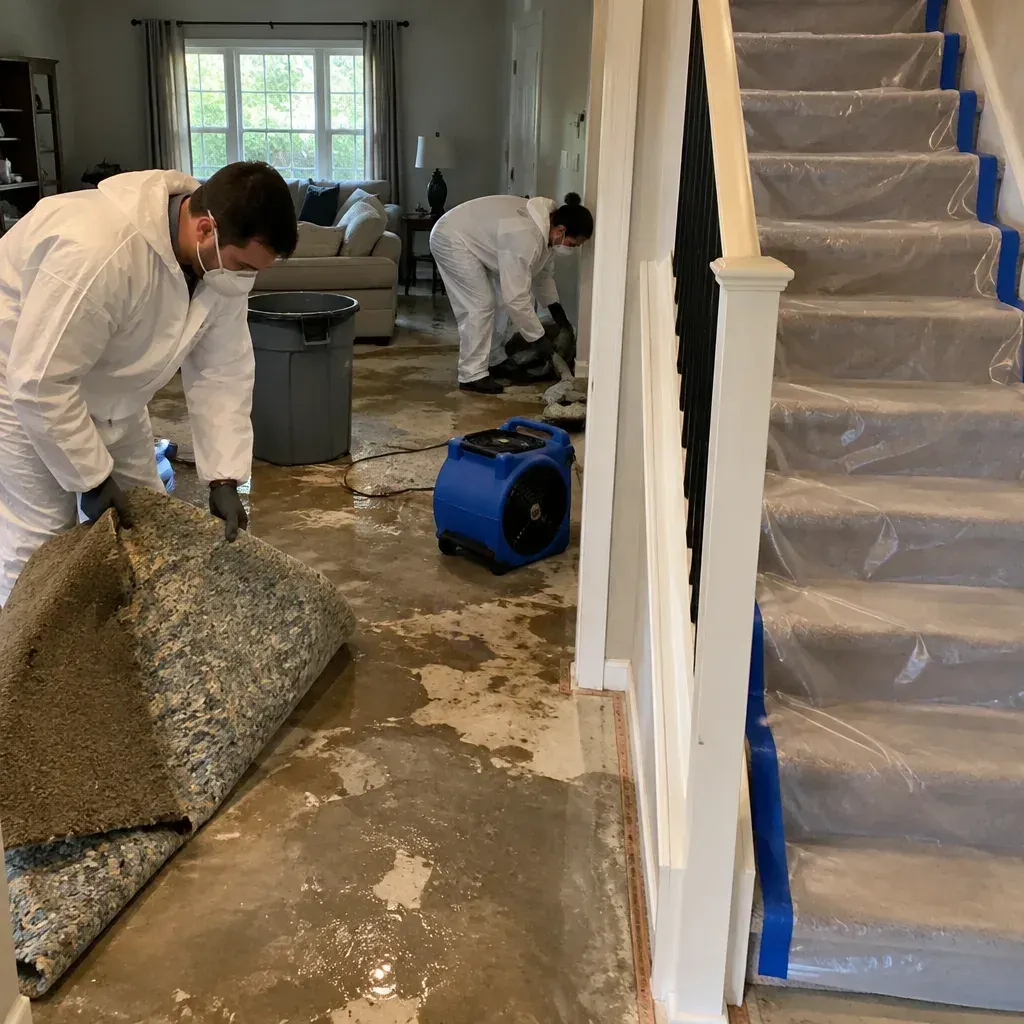
After sewage cleanup, a room may look orderly while a homeowner still wonders whether it merits closer assessment. In Maple Grove, that question can arise when sewage reached porous materials or crossed a room boundary before removal. Visible staining can show where water traveled, but its absence cannot establish conditions inside concealed materials. Independent sewage cleanup clearance testing may help when an owner needs evidence beyond appearance. It addresses a defined concern, not every possible condition throughout the property.
Cleanup records can clarify which areas were treated and what work was completed. Smell can point to an unresolved source, but it cannot identify what remains or prove contamination. Odors may also have another cause. Post-remediation testing may be useful when an owner needs an independent assessment tied to a specific concern. The professional can explain whether testing fits that question. A result should be read within its stated scope, not as a general health clearance.
Why an Outside Assessment May Help
A homeowner may want an outside assessment when people disagree about what a visible inspection shows. A clean looking floor near Central Park cannot, by itself, settle questions about areas that were covered or inaccessible. An independent environmental professional can assess the concern and explain whether sampling would add useful information. That separation can help the owner understand what the observations support. It does not replace the cleanup assessment or establish that every part of the home has the same conditions.
At a Maple Grove shop near US Highway 169, questions may extend beyond the visibly affected work area. A manager might wonder whether nearby rooms need attention before normal use resumes. Testing can help assess a defined concern in selected locations, if a professional considers it appropriate. The observations and results may help distinguish an area needing further evaluation from one that does not raise the same concern. They cannot speak for spaces that were never assessed or sampled.
What Testing Can Actually Show
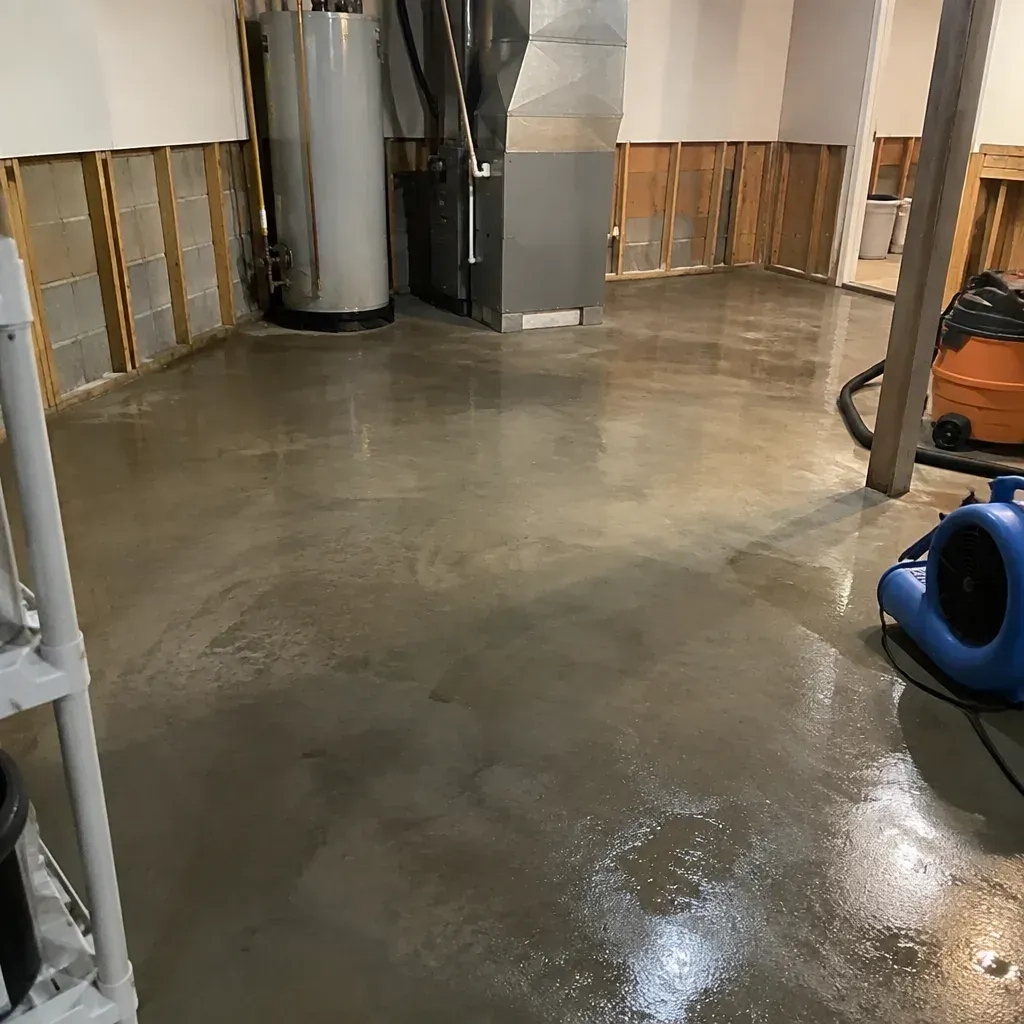
In a house off State Highway 7, a homeowner may see a dry surface and assume moisture is no longer a concern. Dryness to the touch describes the surface, not necessarily materials behind it. Sewage cleanup includes drying affected building materials, but sight and touch alone have limits. An independent assessment may help when there is a specific concern about an area that cannot be judged from its exposed surface. The professional should explain what the proposed method can observe.
For a Maple Grove business, the word “testing” can sound broader than the work actually is. Each assessment answers a defined question using chosen locations and methods. A result may describe conditions in a sample, yet it cannot establish conditions everywhere in a building. The professional should explain what is being assessed, why those locations matter, and what the findings cannot show. That context lets an owner weigh the result without treating one measurement as a universal verdict.
Choosing an Assessment That Fits
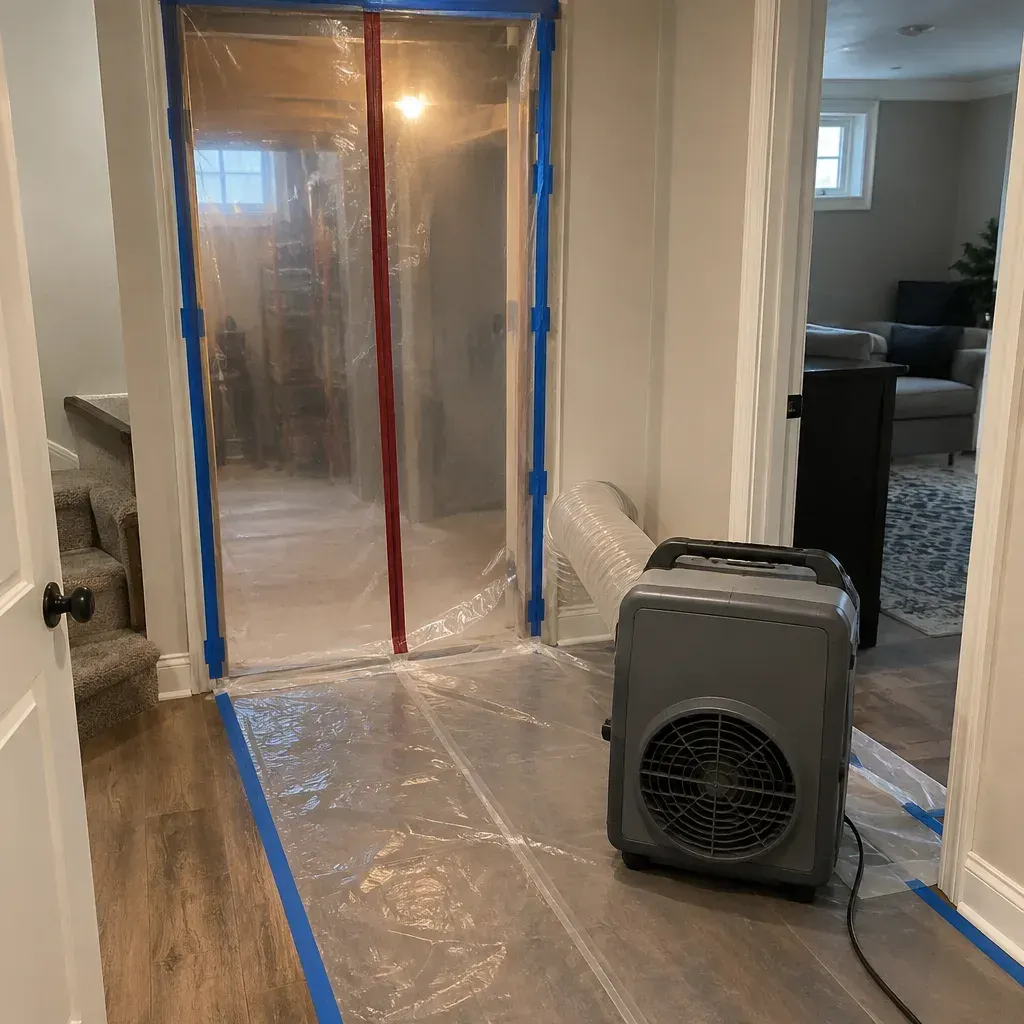
A homeowner may also consider independent testing when a decision depends on clearer evidence than a visual walkthrough provides. This can matter after sewage reached more than one room or affected materials were removed. A professional can review what the owner notices and recommend whether assessment or sampling fits the concern. The findings may inform the next discussion about the affected area. They do not guarantee a health outcome, and results should not be extended to untested parts of the home.
Near Weaver Lake Park, a Maple Grove owner who wants independent verification can ask a qualified environmental professional what assessment is appropriate. Ask what concern the method addresses, which locations it covers, and how to interpret the result. A test can provide information about its chosen scope, but cannot certify every surface or hidden space. Clear answers help the owner decide whether testing would resolve the question that remains. What evidence would actually change the decision?
Dealing with a sewer backup in your home?
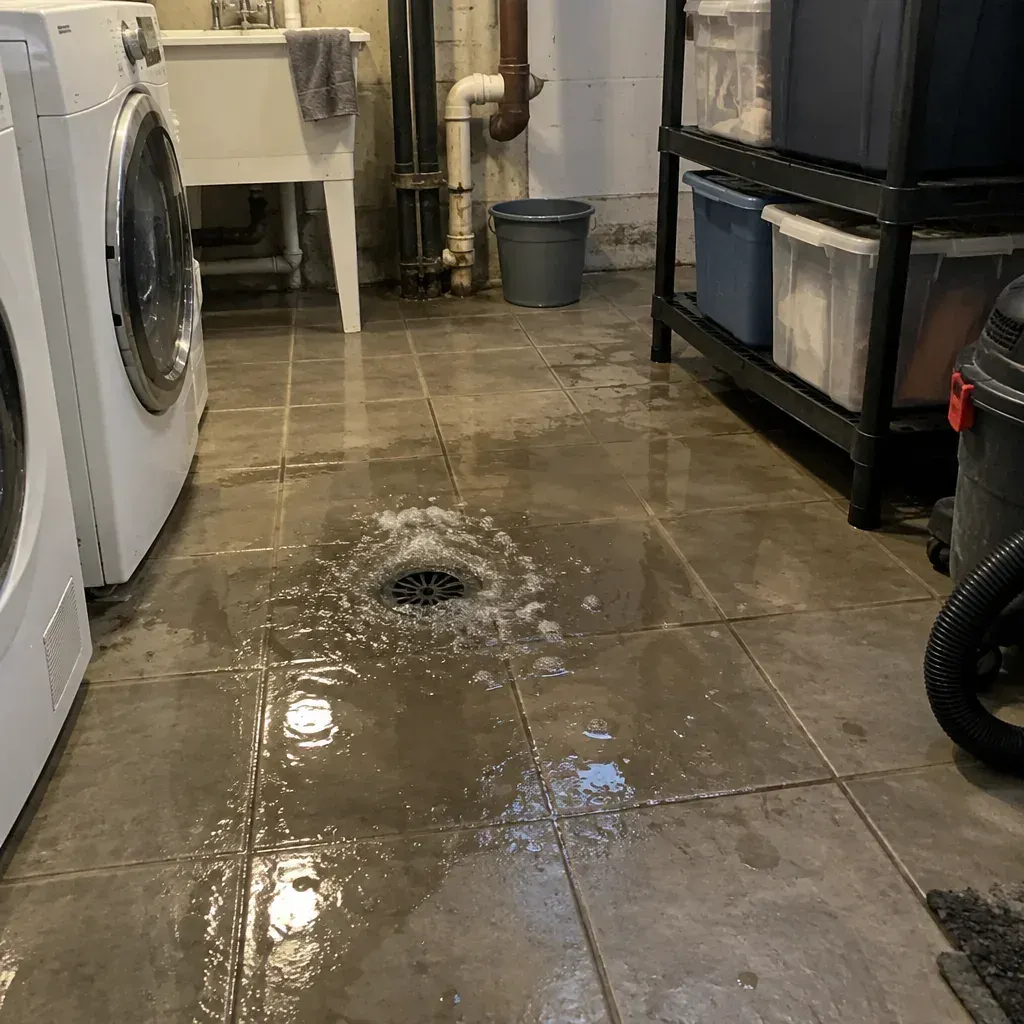
Heavy rain can overwhelm drainage and contribute to a sewage backup. For a homeowner in Maple Grove, a wet floor or sewage odor signals a need to keep people and pets out. That applies near Territorial Park, Elm Creek Park Reserve, and Crow River alike. Assess the area only from a safe distance. Photograph visible damage from a safe distance before cleanup changes the scene. A plumber must diagnose and repair the backup’s source. Ask the pros we connect you with about cleanup scope, service coverage, availability, timing, and any visit charge. Confirm those details directly before arranging a visit.