Retail Cleanup
Retail cleanup
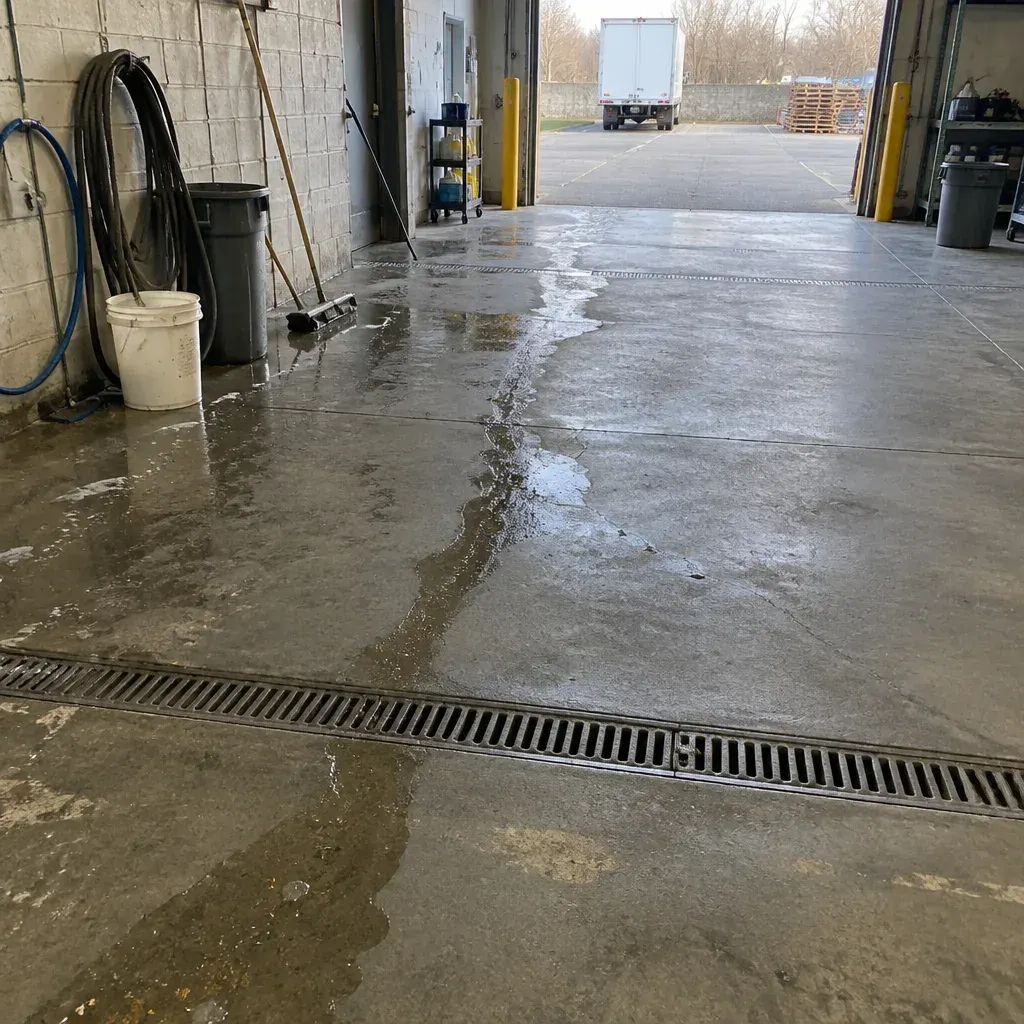
Warehouse cleanup planning connects floor maps, material decisions, and site records for Maple Grove facilities.
Warehouse sewage cleanup maps affected zones, contains contaminated areas, assesses equipment and stored goods, removes materials that cannot be cleaned, then cleans, disinfects, and dries affected building areas. Records link observations and material decisions to specific floor locations.
A warehouse floor can hide the path sewage took after a backup. Water may cross open aisles, collect at low points, and reach storage or work areas. In Maple Grove, begin the record with a floor plan divided into clear zones. Mark visible water, affected drains, and areas not yet assessed. Add the date and who observed each condition. A map gives managers and the cleanup professional a shared view. It also helps later reviewers understand why work focused on some areas before others.
A useful site map distinguishes affected space from areas that remain clear. Mark walls, doors, floor drains, equipment rows, and stored goods. Note where access is restricted and where staff can safely pass. A nearby reference such as Weaver Lake Park may help identify the property when it is actually useful for orientation. Keep the address and map legend with the file. This first record gives every later photo, material decision, and cleanup note a location that others can recognize.
Warehouse sewage cleanup records should show how the assessment developed, not just its final conclusion. Note what was visible, which areas were checked, and where access remained limited. The affected-material review identifies what may need removal, cleaning, or drying. In Maple Grove, a facility manager can use those notes to brief operations staff without guessing which aisle or room a decision concerns. Clear records help the next person follow the reasoning behind the work.
An industrial sewer backup can affect more than the floor. Splashing or contact may reach machine bases, electrical housings, shelving, or control panels. Record each item by location and observed condition. Use photos to show its position before anything is moved. Do not treat a photo as proof that equipment is safe to operate. That decision may require a qualified equipment specialist. A facility cleanup record should preserve the observation and the person responsible for the next review.
Stored goods need their own inventory record. Describe the item or lot, its location, visible contact, and the decision made after assessment. Keep the wording factual; separate what someone saw from what remains uncertain. In Maple Grove, a site near Elm Creek Park Reserve could use a map reference only if it helps identify that property. The inventory supports internal review and claim documentation. It does not decide whether a policy covers the loss.
| Floor zone | Exposure | Record |
|---|---|---|
| Cost drivers | Affected floor area and materials | Removal, equipment exposure, and drying needs |
| Floor zones | Sewage paths and affected boundaries | Marked affected and clean areas |
| Stored goods | Contact, splash, and nearby exposure | Itemized condition and material decisions |
| Zone records | Contact points and access limits | Photos and notes by equipment area |
| Work zones | Containment edges and access routes | Restricted areas and operating impacts |
| Surface decisions | Materials for removal or cleaning | Reasons for each material decision |
| Drying needs | Affected building materials | Areas assessed for remaining moisture |
| Site records | Maple Grove, Hamel, or Rogers site label | Separate photos and notes by location |
Material decisions deserve a short written reason. Sewage can contaminate absorbent items that cleaning alone may not make suitable to keep. Record which porous materials were marked for removal and which surfaces were retained for cleaning and disinfection. Include the area and observed condition. In Maple Grove, this detail helps a later reviewer connect a disposal record to the affected zone. It also gives future planners a clearer picture of how the facility handled similar materials.
Work-zone notes help managers coordinate access around cleanup. Record which areas were contained, when restrictions changed, and who received the update. Marking the boundary clearly can help people recognize where access restrictions begin. Keep people away from sewage-affected zones during the work. If operations continue elsewhere, show those routes on the same map. The record can clarify where staff could move and which activities had to wait for an area assessment.
A cleanup log can follow the work without trying to duplicate every contractor record. Note when sewage removal occurred, which materials were taken out, and when affected surfaces were cleaned and disinfected. Add the drying phase and any odor treatment to the sequence. In Maple Grove, consistent entries make it easier to compare the written timeline with site photos. Follow disinfectant label directions, including stated contact times and safety instructions, and preserve relevant product information with the file.
A prompt inspection can identify which materials need removal before cleanup begins. Photograph affected materials before removal when conditions allow, then keep an itemized list and cleanup records. Label images with the area and date so they make sense outside the facility. A photo of a wide floor area and a closer view of damaged material serve different purposes. Keep original files and link them to the floor map. Documentation can describe damage; coverage depends on the policy.
A single file structure helps when a business manages several sites. Use the same zone names, material categories, and log fields across locations, while keeping each property's records distinct. In Maple Grove, a manager can compare assessment priorities with another facility without assuming both buildings had the same damage. Record the site address, responsible contact, and document version. Familiar local references, such as Maple Grove Hospital, belong in orientation notes only when they help identify the correct location.
Drying records explain how the team tracked moisture after sewage and contaminated materials were removed. Note which building areas required drying, when checks took place, and what conditions were observed. Keep the measurement location clear; readings without a place name are hard to use later. Comparing readings over time can show whether moisture conditions changed between checks. In Maple Grove, preserving these notes can help a facility manager review how the building was assessed before affected areas returned to use.
Odor notes can help distinguish a lingering concern from a completed cleaning task. Record where an odor was noticed, whether contaminated material remained, and what follow-up was documented. A changing odor may prompt another check of the materials and surfaces in that area. Avoid writing only “odor resolved.” Identify the area and the observation instead. That detail gives a later reviewer something concrete to compare with inspection notes or a staff report.
Cleanup records address damage inside the building. They do not diagnose or repair the sewer line that caused the backup. Note when a plumber was contacted, what area or source was referred for review, and any update the facility received. Keep plumbing findings separate from cleanup observations. In Maple Grove, this distinction helps managers understand which questions belong to the cleanup record and which require the plumbing record. It also prevents a cleanup note from implying the backup source was repaired.
After work ends, review the file for gaps while the sequence is still clear. Check that maps, photos, material decisions, work-zone updates, and drying notes point to the same locations. Record unresolved questions and the person assigned to follow up. A complete record gives future planning a practical starting point, from storage layout to access coordination. For a Maple Grove facility, discuss mapped zones and assessment priorities with an independent cleanup professional. The records can guide that conversation without replacing an on-site assessment.
In Maple Grove, records help a facility explain why one floor zone closed while another stayed in use. A map can mark visible sewage spread, barriers, and areas awaiting assessment. Notes can track decisions about equipment, stored goods, and building materials without assuming every item needs the same treatment. This matters when operations span several locations, including Rogers or Dayton, because managers can compare site conditions and handoffs. Moisture can travel beyond the visible sewage line, so nearby surfaces may also need review.
A backup can leave sewage and damaged materials indoors; review the linked communities to see where cleanup may be available for homes and small commercial properties, includingNorth Minneapolis, Northeast Minneapolis and Southeast Minneapolis and East Bank. Before scheduling, confirm which cleanup steps are included, whether a site visit carries a charge, and whether the property is within the service area.
Commercial sites are often quoted per visit, based on affected area and visit frequency. A restroom backup in a small office may involve less cleanup than sewage across a shop floor. Contaminated materials, extraction, disinfection, odor treatment, and drying shape the estimate: $7,000–$14,000. Sewer-line diagnosis or repair is plumbing work.In Maple Grove, affected rooms and materials shape a commercial cleanup’s work list and price. For a site near Crow River or in Hamel, describe where sewage reached. Name affected surfaces and areas that may need drying. Ask the pros we connect you with to confirm visit charges and a written scope directly.Contamination and drying needs shape cleanup costs; pricing guide explains assessment, while commercial overview outlines commercial sewer backup cleanup coordination.
Cleanup starts by marking affected floor zones and tracing visible spread into adjoining areas. Containment separates those zones from cleaner spaces. Footwear and tools that cross between zones can carry residue into cleaner spaces. In Maple Grove, a floor map gives facility staff and the cleanup professional a shared view of the work area and its boundaries.
Equipment and stored goods need separate assessment because exposure varies by location and material. A hard, washable surface may be cleaned and disinfected; sewage-soaked porous material may need removal. The assessment should record what was exposed and the reason for each decision. Staff can then identify operational dependencies before affected aisles or equipment return to use.
Facility staff and cleanup professionals can mark work zones, access routes, and operating areas on the same site plan. That makes restricted areas visible to people coordinating work across a Maple Grove facility. The plan should show where equipment or goods limit access and which areas need assessment before normal activity resumes.
Record the affected zones, observed conditions, material decisions, and stages completed. Dated photos can show how the work area changed, while a floor map links each image to its location. In Maple Grove, keeping these records with facility notes can help managers review decisions later and plan how similar areas should be handled.
Map affected floor zones, equipment, and stored goods at your Maple Grove facility, then review assessment priorities with an independent cleanup professional.
Call (763) 298-9074